Explore Articles & Insights

Discover valuable content across health, lifestyle, wellness and more.
Use filters or search by keywords, category, subcategory, hashtags, or content.

Motor Function and Brain Disruption: CTE & Concussions

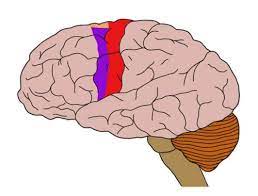
Motor Function and Brain Disruption: CTE & ConcussionsThere are a host of events that can disrupt the motor function of the brain. Our central nervous system, CNS, is the center of all motor function and is comprised of the brain and the spinal cord. All of the feedback and feedforward information from the PNS, peripheral nervous system, is sent, interpreted and addressed in the CNS (Powers & Howely, 2015). When there are disruptions to these systems, motor function, speech, thought and even death can result. There are many conditions that result in brain dysfunction. Concussions are a very hot topic of late. The movie Concussion, starring Will Smith as Dr. Bennet Omalu and his findings upon the autopsy of former All Pro NFL Center Mike Webster of the Pittsburgh Steelers sparked a series of autopsies and studies to be conducted on TBI or Traumatic Brain Injuries. There are several causes of TBI’s and unfortunately many of them go unreported and/or very little is done in the manner of follow-up after the patient leaves the hospital. Additionally, especially with sports related head trauma, the athletes tend to minimize or attempt to hide the occurrence in fear of losing playing or practice time. This is evidenced in the findings of a study conducted on college football players and a healthy control group. The repeated trauma to the head resulted in a 25% hippocampal volume reduction in the college football players vs. the healthy non-athletes (Fine, 2014). Not only is football a culprit, but according the studies reported by the American Association of Neurological Surgeon, football is second to cycling with hockey and horseback riding offering up substantial numbers as well. There is also another consideration, dehydration and its effect on head trauma. When I was coaching a high school wrestling team, we had a rash of concussions one year and which prompted me to delve into the concussion protocol and subsequently discovered a few interesting facts. Dehydration and the snapping of the head placed a great deal of stress on the brain. Prior to this, we’d see concussions caused by a wrestler getting accidently kneed in the head or both wrestlers head butting each other by mistake. This coupled with the brain’s response to long bouts of exercise affected the motor response of the body (Powers, Howely, 2015 pg. 153). Dehydration as a result of weight cutting or over exercising can lead to the loss of cerebral fluid and reduce the amount of cushioning to the brain and foster a condition of the brain becoming more susceptible to trauma. There data collection and concussion protocol are in their infancy and much more research needs to be done. All athletes should be subject to testing of motor and cognitive skills prior to competition so a baseline of brain function is set. This is the only true way to know how much they have been affected by the brain trauma. References:Weber, Amanda Friedline, et al. Journal of Athletic Training 2013;48(2):153–160 doi: 10.4085/1062-6050-48.1.07 by the National Athletic Trainers’ Association, Inc www.natajournals.org Mar/Apr 2013, Vol 48, No. 2, pp 153-160Maron, Dina Fine. A Generation Losses Consciousness, and Grows More Consciousness of Headbanging. May 13, 2014Powers, Scott K., and Howley, Edward T. Exercise Physiology, Theory of Application and Performance. 9th ed. New York: McGraw-Hill, 2015. American Association of Neurological Surgeons. Sports-related Head Injury. 5550 Meadowbrook Drive Rolling Meadows, IL 60008-3852 P 847.378.0500 or 888.566.AANS (2267) F 847.378.0600 Email: info@aans.org. 2017

Motivation and Changing Behavior

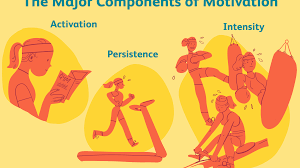
Motivation and Changing BehaviorMotivation for Age Group/Gender: 38-year-old female Fitness level, reasons for training, program, fears, lifestyle, etc: The client described above was had participated in fitness and kettlebell-based training classes previously with an instructor from Russia. She had a reasonable level of fitness, but had taken 4 months off from her training. Plus, having come from training with someone from Russia in kettlebells (and being of Russian descent herself), she was apprehensive about training in Russian kettlebells with an American. Her goals are strength, conditioning, mobility, flexibility and to achieve a total body workout in a challenging, yet encouraging environment. Her fears and doubts were addressed with our introductory special. She tried out the classes and we provided her with top shelf instruction. We employ the Hardstyle Kettlebell System of training and demonstrated that all of her needs and goals would be met with our programming that provides all of the wave loading and periodization for her. We have addressed her needs and she continually improves and signed on as a full member several month ago. Age and gender can have a profound effect on what type of motivation is required. The motivation for an athlete may be revolved around increasing their performance in their given sport. An adult may want to lower their blood pressure and lower their LDL level, whereas a middle aged individual may want to simply be able to move better. The challenge of the coach or trainer is to first identify the needs and secondly to address them. Goals change over time and it’s great to witness. Clients will come in looking to “shed a few pounds” and after three to six months, their challenging themselves with the size of the kettlebell or how many tactical pull-ups they can perform. In this stage they are consistently adding to their goals and have entered into the state of self efficacy. The training becomes part of them and begins to be part of what defines them. Changing Behavior: At this point in my life I do not engage in any bad habits, but this was not always the case. When I was in college I used chewing tobacco as a means to keep me occupied while losing weight for wrestling. I was addicted and “dipped” daily for at least a decade upon my graduation from college. My father was overweight and we made a deal with each other; I’d stop chewing tobacco and he’d lose the 80 pounds that he needed to achieve a healthy weight. I was able to quit cold turkey and my father was not able to lose the necessary weight and met his demise 15 years ago. Behavior: Chewing TobaccoShort Term Benefits/Risks: Feels good, catch a buzz and suppresses appetite. Sores in the mouth, yellow teeth and bad breath. Long Term Benefits/Risks: Stomach, throat and mouth irritation and cancer risks are significantly increased. The cost of a tin of tobacco has risen dramatically making its use fiscally unattractive. There are no long term benefits to using tobacco of any kind.Changing behaviors is not an easy task, especially when the behavior involves an addictive substance. There needs to be continued motivation adopted by the participant to be successful. A good support network in tantamount to the success of the change. If others in your circle are participating in the behavior that one wishes to change, the task becomes even more difficult to achieve. Reference:Bryant, C. X., Ph.D., & Green, D. J. (2012). Essentials of Exercise Science for Fitness Professionals. American Council on Exercise. ISBN 9781890720315. 4851 Paramount Drive, San Diego, CA, 92123

February Fitness Frenzy: Turn Your Gym's January Slump into Success! Feeling the pinch after a lackluster January? You're not alone.

Gym owners, feeling the pinch after a lackluster January? You’re not alone. While New Year’s resolutions bring a surge, they often fizzle faster than a poorly mixed protein shake. But instead of waiting for things to improve magically, let’s TURN UP the volume on your success! First, let’s diagnose the January slump: Did you rely on hope, not hustle? Remember, sales require proactive action, not passive wishes. Did you wait for leads to magically appear, or actively pursue them with targeted strategies? Sales basics forgotten? Effective communication, objection handling, and understanding member needs are crucial weapons in your arsenal. Did your team brush up on these fundamentals before diving into January’s rush? Stuck in autopilot? Innovation fuels growth. Did you experiment with new marketing channels, class formats, or community initiatives to attract attention? Now, let’s unleash your February fitness frenzy: 1. Re-energize your sales force: Invest in sales training and coaching. Hone their communication skills, objection handling techniques, and ability to connect with potential members on a deeper level. Remember, empowered salespeople = empowered business. 2. Don’t wait, create!: Ditch the passive approach. Implement targeted marketing campaigns on social media, partner with local businesses, and host engaging events to generate buzz and leads. Let the world know what makes your gym THE place to be. 3. Redefine “value”: Move beyond discounts and freebies. Highlight the intangible benefits of your gym – the supportive community, expert guidance, and life-changing transformations you offer. Show, don’t just tell, through powerful testimonials and member success stories. 4. Get personal: Don’t treat everyone the same. Segment your audience and tailor your message to their specific needs and aspirations. Young professionals crave convenience, families seek childcare options, and fitness enthusiasts hunger for challenging workouts. Speak their language! 5. Embrace technology: Utilize automated lead generation tools, email marketing campaigns, and social media engagement strategies. Make it easy for potential members to connect with you, learn about your offerings, and join your fitness family. 6. Community is key: Foster a welcoming and supportive environment beyond just the gym floor. Organize social events, partner with local charities, and create a space where people connect and feel valued. Remember, strong communities breed loyalty and referrals. 7. Track and adapt: Don’t just throw darts in the dark. Monitor your efforts, analyze results, and adapt your strategies based on what resonates with your audience. Data is your guide to continuous improvement. Remember, February is your opportunity to rewrite the narrative. By investing in your sales team, embracing proactive marketing, and focusing on the true value you offer, you can transform your gym from a January slump to a thriving fitness hub. So, grab your metaphorical dumbbells, rally your team, and get ready to dominate February! Contact Jim Here. P.S. Share your turnaround tips and success stories in the comments below! Together, we can empower gym owners around the world to achieve their fitness business dreams. Click here for more details on financing options or call 214-629-7223 or email jthomas@fmconsulting.net for more information. Or, apply now. If your fitness business is in need of a turnaround, a boost in sales, or a fresh marketing approach, we’re here to help. We offer a free initial consultation to discuss your specific situation and explore how our expertise can make a difference. Don’t hesitate to reach out to Jim Thomas at 214-629-7223 or find valuable insights on YouTube. An Outsourced CEO, Turnaround Expert and Author, Jim Thomas is the founder and president of FMC USA Inc., a management consulting, turnaround, financing and brokerage firm specializing in the leisure services industry. With more than 25 years of experience owning, operating and managing facilities of all sizes, Thomas lectures and delivers seminars, webinars and workshops across the globe on the practical skills required to successfully overcome obscurity, improve gym sales, build teamwork and market fitness programs and products. Visit his Web site at: www.fmconsulting.net or www.youtube.com/gymconsultant.

By Jim Thomas, Gym Business Consultant: Revitalize your gym with this comprehensive guide from industry expert Jim Thomas.

In the dynamic realm of fitness, the struggle to attract and retain new members is a challenge many gym owners face. As a gym business consultant, I present to you a comprehensive guide on revitalizing your new member sales and retention strategies. Let’s explore actionable steps that can breathe new life into your gym business and pave the way for sustained success. Data-Driven Insights: Harness the power of data analytics to understand your members better. Analyze member behavior, preferences, and attendance patterns. Utilize this information to tailor your offerings and communication strategies, making your gym experience more personalized. Innovative Onboarding Programs: Enhance the onboarding experience for new members with innovative programs that go beyond the initial tour. Consider offering complimentary personal training sessions, nutrition consultations, or exclusive access to classes. A positive first impression sets the tone for long-term engagement. Targeted Marketing Campaigns: Craft targeted marketing campaigns that appeal to specific demographics in your community. Leverage social media, email marketing, and local advertising to highlight the unique aspects of your gym that cater to the needs and interests of potential new members. Referral Programs: Empower your current members to be advocates for your gym by implementing a robust referral program. Offer incentives, such as discounted memberships or exclusive classes, for members who bring in new sign-ups. Word-of-mouth referrals can significantly boost your new member acquisition. Value-Added Memberships: Introduce value-added memberships that include perks like access to exclusive events, discounts on partner services, or personalized fitness assessments. Creating a sense of exclusivity can attract new members and encourage existing ones to upgrade their memberships. Engaging Virtual Platforms: Recognize the trend towards virtual fitness and integrate it into your offerings. Provide on-demand workout videos, virtual classes, and interactive challenges. This not only caters to a broader audience but also adds flexibility for members who prefer remote workouts. Feedback Mechanisms: Actively seek feedback from both new and existing members to understand their needs and concerns. Implementing changes based on member feedback shows a commitment to their satisfaction and can lead to increased loyalty. Retention-Focused Staff Training: Invest in staff training programs that emphasize the importance of member retention. Equip your team with communication skills, conflict resolution techniques, and the ability to create a welcoming environment. A well-trained staff plays a crucial role in member satisfaction and retention. Conclusion: The road to rejuvenating new member sales and retention is paved with strategic planning and innovative thinking. By leveraging data insights, implementing targeted marketing, and enhancing member experiences, your gym can overcome the challenges and create a thriving community. Implement these strategies now to witness a positive shift in your new member acquisition and retention efforts. Contact Jim Here. Click here for more details on financing options or call 214-629-7223 or email jthomas@fmconsulting.net for more information. Or, apply now. If your fitness business is in need of a turnaround, a boost in sales, or a fresh marketing approach, we’re here to help. We offer a free initial consultation to discuss your specific situation and explore how our expertise can make a difference. Don’t hesitate to reach out to Jim Thomas at 214-629-7223 or find valuable insights on YouTube at www.youtube.com/gymconsultant. An Outsourced CEO, Turnaround Expert and Author, Jim Thomas is the founder and president of FMC USA Inc., a management consulting, turnaround, financing and brokerage firm specializing in the leisure services industry. With more than 25 years of experience owning, operating and managing facilities of all sizes, Thomas lectures and delivers seminars, webinars and workshops across the globe on the practical skills required to successfully overcome obscurity, improve gym sales, build teamwork and market fitness programs and products. Visit his Web site at: www.fmconsulting.net or www.youtube.com/gymconsultant.

Mens sana in corpore sano is a Latin phrase, translated as "a healthy mind in a healthy body". Another translation is “A sound mind in a sound body”.

A Healthy Mind in a Healthy Body: Professor Phil Ross, M.S. CPT Mens sana in corpore sano is a Latin phrase, translated as "a healthy mind in a healthy body". Another translation is “A sound mind in a sound body”. This is an adage promoted by the ancient Greeks and Romans centuries ago and current scientific evidence points toward this statement as being true. If we consider that regular bouts of exercise increase our blood flow and spur the body to create more capillaries to expand the circulatory system and increase the footprint of the reach of our total cardiovascular system. These benefits are undeniable. (Green & Daniel, 2014) Regular exercise contributes to brain growth factors. The data demonstrates that cognition, neurogenesis and vascular functions are all improved. (Powers & Howley, 2015) If we consider the hippocampus and brain structure, a steady exercise regimen has increased not only neurogenesis but angiogenesis. The incident of inflammation is also reduced by the central nervous system which leads to improved growth factor signaling. (Cotman, Berchtold & Christie, 2007) Physical health and brain stimulation are not the only aspects of well being that benefit from regular exercise. When an individual exercises, the release of endorphins, the natural opiates produced in the pituitary gland of the brain, act to reduce pain and elevate mood. (Green, 2014) The term “runner’s high” resulted from the euphoric state that runners get when these endorphins are released. “And a lot of what we do know about exercise is gleaned from animal studies. But one potential cause that seems especially promising is related to neurogenesis, or the growth of new neurons in the brain, says Dr. Trivedi.” (Scobba, 2014) Even though the exact contributing factor is unknown, people that exercise tend to avoid depression in the first place and use exercise as a means to combat it as opposed to reliance on side effect laden pharmaceuticals. The post training physical and mental state is one that fitness enthusiasts crave and strive to achieve on a regular basis. As people age, the benefits of physical fitness help to keep the brain stimulated and helps reduce and/or stave off the effects of Alzheimer’s, depression and lessen the severity of strokes and other types of brain injuries. People in good physical condition also require shorter recovery periods if and when illness occurs. In the case of the Mind-Body exercise of Tai Chi and Hatha Yoga, the combination of breathing, weight shifting and memorization of movement has multiple beneficial effects upon the physical, emotional and even spiritual well being of the participant. (Bryant & Green, 2012) The relationship between force and speed is often misinterpreted. FORCE: Strength or energy as an attribute of physical action or movement. SPEED: The rate at which someone or something is able to move or operate. Force and speed in regard to muscular contraction are primarily generated by Type llx muscle fibers, due the necessity of rapid excitation to generate the aforementioned fiber type. This occurs in the fast fibers because the sarcoplasmic reticulum in the fast fibers releases calcium at a faster rate. It’s also important to note that the fast fibers have a higher ATPase activity than that of the slow twitch fibers. The pulling of actin over the myosin molecule results in the shortening of the muscle (contraction) and thus generates force. The number and size of the motor units recruited are the main components that determine the force of a muscle contraction. The larger the motor unit the greater the potential force. The initial muscle fiber length plays a big role as well. There is an optimum length for a muscle fiber as it relates to the overlap of actin and myosin. If at rest the fiber is too long, the overlap between actin and myosin are limited and therefore there are less cross-bridges are able to attach. (Powers & Howley, 2015, pgs. 178, 179) Liken this to a fighter. There is an optimal size and weight for a fighter where force and speed maximize power. If this were not the case, then the largest person would be the best fighter. History has proven this not to be true. The proper mix of size and speed produce the best fighter. Speed is also a function of the fast twitch muscle fibers. During high velocity movement, the actin-myosin filaments move past each other at a very fast rate. This lowers the number of cross-bridges that can be made, thus decreasing potential force. Fighters and punching power comes to mind. Faster striking does not necessarily yield more power. Yes, speed does add to power up to a certain point, but at some point, the speed of the punch diminishes the power of the strike. A fighter will use the quicker jab technique to set up the slower, more powerful cross in hopes of landing the knockout blow. Yes, the jab is faster, but not as powerful. Even though power equals force plus speed (velocity), to reach optimal power, there must be a balance. At some point, the peak force of a muscular contraction will be diminished as speed is increased. (Powers & Howley, 2015, pg. 181) Control of heart rate and stroke volume are tantamount to body to maintain homeostasis and or achieve steady state during exercise. This is a fairly complex and involved task. Cardiac output is a function of heart rate multiplied by stroke volume or Q = HR x SV. Heart rate is regulated by the autonomic nervous system via a negative feedback loop garnering the information from the body’s increased demand of oxygen for the skeletal muscles. The parasympathetic system receives direction from the medulla oblongata to release acetylcholine that causes a decrease in activity of the SA and Av nodes. The heart rate is then lowered. The sympathetic nervous system is responsible for the increase in heart rate through the cardiac accelerator nerves. The fibers release norepinephrine and act upon the beta receptors. The system receives and interprets impulses from various parts of the circulatory system to accommodate changes in the specific parameters. (Powers & Howley, 2015, pg. 199) Stroke volume is regulated by EDV (End Diastolic Volume), aortic blood pressure and the strength of ventricular contraction. An increase in aortic pressure results in a decrease in stroke volume, resulting in an inverse relationship. Another contributing factor to stroke volume is the release of nephrine and norepinephrine as inspired by the sympathetic nervous system. Other factors that regulate stroke volume during exercise are the venoconstriction that increases venous return, movement of the blood toward the heart from contraction of the skeletal muscles and increased depth of breath by the mechanical action of the respiratory pump. (Powers & Howley, 2015, pg. 200, 201) The notion of a central command and the workings as described refer initiation via a motor signal developed within the higher levels of the brain. Although only theoretical at this point, the processes employed are based in sound science. This signal from the brain is created to drive motor signals. This signal is generated in less than once second and goes both directly to the skeletal muscle and to the cardiovascular control center that in turn forwards signals to the heart and blood vessels. The CV center also receives input from the pressure sensitive baroreceptors and the chemoreceptors as well as the mechanoreceptors of the skeletal muscle resulting in a finely tuned feedback system. What is originally initiated by the higher brain function in response to exercise is then manifested into a negative feedback system to control the function of the body in response to exercise. Despite all of the studies and knowledge that has been garnered regarding human physiology in the past few centuries, there is still much to be learned. The advancements in training protocols, nutrition, discovery of new neural pathways and how to harness the power potential of humans in my estimation, is unlimited. Every year seems to shed light on a new subject to improve and enhance performance and health. It’s a great time to be in this field! Article by: Philip Ross, Master RKC, ACE CPT, 8th Degree Black Belt Philrossmma1@gmail.com https://www.philross.com/ References Bryant, Cedric X., Ph.D., FASM and Green, Daniel J. Essentials of Exercise Science for Fitness Professionals. (2010, 2011, 2012) American Council on Exercise. ISBN 9781890720315. 4851 Paramount Drive, San Diego, CA, 92123 Cotman, Carl W., Berchtold, Nicole C. and Christie, Lori-Ann. Exercise builds brain health: key roles in growth factor cascades and inflammation. TRENDS in Neurosciences Vol.30 No.9. August 31, 2007. Definitions of Force and Speed paraphrased from these sources: http://www.dictionary.com/browse/speed http://www.dictionary.com/browse/force Green , Daniel J., Project Editor. ACE, American Council on Exercise (2014). ISBN 978-1-890720-50-6. American Council on Exercise Personal Trainer Manual, Fifth Edition. Powers, Scott K., and Howley, Edward T. Exercise Physiology, Theory of Application and Performance. 9th ed. New York: McGraw-Hill, 2015. Scobba, Christa. Does Exercise Really Fight Depression? Men’s Health. http://www.menshealth.com/health/how-exercise-fights-depression October 29, 2014

There are wide arrays of health concerns facing our ever changing and continually aging population.

Is a Sedentary Lifestyle the New Smoking? By Professor Phil Ross, M.S. CPT There are wide arrays of health concerns facing our ever changing and continually aging population. The recent trends over the past three to four decades have witnessed us experiencing increased obesity rates, an aging population and only approximately 1/5th of Americans meeting the recommended daily exercise requirements (Green, 2015). However, all is not lost. A great deal of research and concerned health and fitness professionals and scientists are bringing to light the mounting issues and the ramifications of living an unhealthy lifestyle. Our health is not only affected, but an unhealthy population is a financial drain upon society. In 2015, studies demonstrated that there was a decline in new diabetes case and smoking has dropped over 20% in the last decade (Carroll, 2016). All of the news about our health is not all “doom and gloom” and it appears as if we’re going in the right direction, but we still have a great deal of work to do. Is a sedentary lifestyle the new smoking? The most recent data certainly validates the relevancy of this question. According to the most recent studies, a sedentary lifestyle is one of the leading factors contributing to Coronary Heart Disease, CHD. As with smokers, physically inactive people are twice as likely to develop CHD (Powers, Howley, 2015, pg. 316). Smoking, inactivity and poor nutrition are the leading causes of CHD as far as the behavioral contributing risk factors are concerned. This should come as no surprise. If we consider how human beings evolved and what we were best designed for compared to the current condition of most modern-day homo sapiens, 72 percent of Americans are overweight and 43 percent are obese, we are far from the mark of the world’s best warm weather, long distance runners. Humans are weak and unathletic, when compared to the rest of the animal kingdom. We aren’t fast, can’t jump high and have no claws or do we have large fangs or venom. If we did not possess a large brain and an opposable thumb, we’d be relegated to eating fruits, vegetables and carrion and we’d be at mercy of the other more powerful, well equipped predators (Stipp, 2012). One word of caution when considering overweight percentages though, if the data is simply based on BMI (Body Mass Index), the results may be skewed due the failure of BMI to consider muscle mass of athletes and the larger structure of some races (Green, 2014). There are several factors that determine adherence to an exercise program. One of them is background. If an individual has been sedentary for a significant duration, they may come from one of many backgrounds. Examples may individuals who have either never worked out or they are a former athlete/exerciser that has not done so in a long time. Each situation presents its own set of challenges. For those who have never trained before, working out, becoming sore and tired is a new phenomenon. This may create a level of anxiety and if they become too sore, get blisters, perform poorly, or sustain an injury; the chances of continuance of their exercise regimen is significantly diminished. A strenuous workout routine will discourage a novice exerciser. If a deconditioned subject becomes injured, the quest for fitness will most likely end. The former exerciser that has decided to get back in shape has a far greater chance of maintaining adherence to an exercise program. The main issue concerning this population is their unrealistic memory. Their minds harken back to a time when they were strong and fit and they truly believe that they can still do what they once were able to. However, their bodies are not the same. This group of people stand a greater chance of becoming injured and must be monitored closely while exercising. When we are considering public health concerns in regard to sedentary individuals, we must look at how to increase adherence and avoid injury. Either one of the aforementioned will end or significantly hamper the efforts of converting a sedentary individual into an avid exerciser leading a healthy lifestyle. These are some of the main reasons that small increments and achievable goals are preferable to pushing one’s self too far. Another big deterrent is perceived lack of time. It’s far easier to schedule 20 to 40 minutes bouts of exercise at a moderate pace than it is to set aside two hours of a hardcore physical session. Plus, the risk/reward equation must be taken into consideration. Another consideration is the reduction/prevention of Type 2 diabetes. Smaller duration, more numerous bouts of daily exercise are beneficial in training the body to regulate glucose and insulin balance in the muscles and blood. Many sedentary individuals are either prediabetic or are already suffering from Type 2 diabetes. Exercise results in more lean body mass and less adipose tissue and can both serve as an appetite suppressant and/or a stimulant. The range of body fat percent is different between men and women. The American Council on Exercise recommends that men maintain between 14 to 24 percent body fat for optimal fitness and athletes and are recommended to be at 6 to 14 percent. Women should maintain between 25 to 31 percent for optimal health and 21 to 24 percent for athletes (Green, 2014). <!--[if gte vml 1]> <![endif]--><!--[if !vml]--><!--[endif]--> Chart courtesy of ACE Personal Trainer Manual, 5th Edition Exercise, especially intense bouts of resistance training, increases muscle mass and bone density. Of the five aspects of physical fitness; cardio respiratory fitness, muscular strength, muscular endurance, flexibility and body composition, the latter is the most physically noticeable. Exercisers receive compliments and encouragement from coworkers as their bodies take on a more fit form. Their family and friends take notice as their body morphs into a leaner more mobile version as their energy level improves. These changes also help an individual’s psyche. Most of the information that we read pertains to losing weight. However, there is a certain portion of the population desiring accumulation of body mass. Power Lifters, Bodybuilders, Football Players, Shot Putters, etc. These athletes want to gain size. Lifting heavy weights and consuming mass quantities of food is favorable to reaching their goals, so the increased appetite from training is a positive attribute for them. Some research suggests exercise doesn't always cause hunger but can curb it. "Exercise may lower levels of ghrelin, a hormone that stimulates appetite in the short term, while raising levels of peptide YY, a hormone that suppresses appetite," says study author David Stensel, Ph.D., reader in exercise metabolism at Loughborough University (Mickel, 2011). Exercise may initially suppress the participant’s appetite, especially after a vigorous session, due to the increased body temperature. However, as the temperature drops, the body will begin to release ghrelin, which stimulates the appetite. The important issue to concern ourselves with here is what is our goal? If the goal is to lose weight, exercise alone will not be sufficient, but it’s an important piece of the equation. The proper nutrition and caloric ingestion to expenditure must be adhered to so that goals are met and optimal health is achieved. Muscular metabolism increases 5 to 15 times of the resting rate to provide the energy to for skeletal muscles to contract and depending upon the type and intensity of the exercise, 70 to 100 percent is released through heat (Swaka, et al, 1993). If the athlete has acquired sufficient heat acclimatization, their responses to the hot and humid environments are more favorable than those not accustomed to the aforementioned conditions. The same acclimatization effects are noted with respect to altitude. Considering that V02 Max decreases approximately 2.6% for every 1000 feet above 3200 feet, the amount of available oxygen is less and the cardiovascular system must work much harder for the same workload at lower altitudes (Levine, 2002). If a fighter has a bout scheduled in a high altitude arena, their trainers will move the training camp to the high altitude location several weeks prior to the event to help offset these effects. The human body is a complex machine that requires constant monitoring, exercise and proper nutrition to maintain optimal health. Even with all of these requirements, it’s a miraculous organism that has great adaptability and ability to cope with adverse conditions. <!--[if !supportLineBreakNewLine]--> <!--[endif]--> References Bryant, Cedric X., Ph.D., FASM and Green, Daniel J. Essentials of Exercise Science for Fitness Professionals. (2010, 2011, 2012) American Council on Exercise. ISBN 9781890720315. 4851 Paramount Drive, San Diego, CA, 92123 Carroll, Linda. January 2, 2016. 2016: The year Americans get serious about getting healthy? http://www.nbcnews.com/health/health-news/2016-year-americans-get-serious-about-getting-healthy-n488731 Green , Daniel J., Project Editor. ACE, American Council on Exercise. 2014. ISBN 978-1-890720-50-6. American Council on Exercise Personal Trainer Manual, Fifth Edition. Hagobian, Todd A.. Braun, Barry. 2010. Physical Activity and hormonal regulation of appetite: Sex differences and weight control. Mickel, Kelly. October 12, 2011. The truth about exercise and diet. Self. http://www.self.com/story/exercise-and-appetite. Nall, Rachel. September 14, 2010. Does Exercise Increase the Appetite? Livestrong.com. http://www.livestrong.com/article/244704-does-exercise-increase-the-appetite/ Powell, Alvin. April 19, 2007. Humans, hot, sweaty, natural born runners. Harvard Gazette. http://news.harvard.edu/gazette/story/2007/04/humans-hot-sweaty-natural-born-runners/ Powers, Scott K., and Howley, Edward T. 2015. Exercise Physiology, Theory of Application and Performance. 9th ed. New York: McGraw-Hill. Sawka, Michael., Wenger, Bruce., Young, Andrew J., and Pandolf, Kent B. 1993. Nutritional Needs in Hot Environments: Applications for Military Personnel in Field Operations. Stipp, David. June 4, 2012. All men can’t jump. http://www.slate.com/articles/sports/sports_nut/2012/06/long_distance_running_and_evolution_why_humans_can_outrun_horses_but_can_t_jump_higher_than_cats_.html

Human movement enables us to survive and thrive. Whether movement was developed due to our ability to think and reason or if our ability to think and reason created our movement is still up to debate

Human Movement by Professor Phil Ross, M.S. CPT Human movement enables us to survive and thrive. Whether movement was developed due to our ability to think and reason or if our ability to think and reason created our movement is still up to debate. It’s my personal feeling that they were developed in tandem in accordance with the demands of how to best enable ourselves to cope with the environment and the challenges that we faced (and face) as we humans evolved. I must admit that the physiological components are necessary as a starting point. How do we measure this movement and why is it important? The importance of human movement measurement can be found in teaching, performing and learning tasks. There is an important cognitive learning curve to skill based movements. The testing of the skills will yield information to the researcher of how well a student/subject/athlete/employee is either a) suited for a job or b) how much they have improved over time. Measurement of performance is extremely important in terms of skill acquisition and potential of performance. The data gathered from the measurements of the skill are only as useful as the tests used to garner the information. There are two aspects of measurement that bode consideration: Reliability and Validity. The reliability of a test is based on several components. Is the test repeatable? How do we create an environment that allows us to have a repeatable test? We need to remove as many variables as possible to enable the subject the best opportunity to repeat the performance in the same fashion. For example, when I instruct a martial arts student on how to perform a particular movement or form/kata (series of movements executed in a pattern to simulate fighting), we seek repeatability of the how the movement is done. I advise of them of the body placement and when they perform it properly, I have them remember that “feeling” that they have and instruct them to seek to repeat that feeling. The kata, movement or form is done in a repeatable fashion and is thus recognizable by those familiar with the movement pattern. This enables the martial artist to be judged and evaluated. The only issue that I foresee with a method employing a sterile environment is the reduction/elimination of the heightened awareness and biological response that occur in humans under stress. Some people perform exceptionally well in practice but do not fair as well in actual application of the techniques in a contest. Others compete much better than they practice by channeling the biological functions such as adrenaline, and increased focus to increase their level of performance. The other aspect to contemplate is the validity of a test. Does the test translate to measurement of ability to perform a task? If we were attempting to determine the potential of an athlete competing in the long jump and we used the standing jump as a barometer, which would make sense. However, if we were trying to gauge how the athlete may perform in the long jump by testing their ability on the ping pong table, that test would not make any sense. The test must have some applicable performance aspect related to the task to be considered valid. There needs to be correlation to the test and the actual task for the test to have validity and for the researcher to collect meaningful data. Article by: Professor Philip Ross, M.S., Master RKC, ACE CPT, 9th Degree Black Belt Philrossmma1@gmail.com https://www.philross.com/ Reference: Schmidt, Richard D. and Lee, Timothy D. (2011). Motor control and learning: A behavioral emphasis. (5th Edition) Champaign. Il: Human Kinetics. Printer: Sheridan books.

Health, fitness, physical activity and exercise cannot and should not be separated in my estimation. The relationship between exercise physiology on the aforementioned is one of mutual effect.

How we Live Effects how We Move by Professor Phil Ross, M.S. CPT Health, fitness, physical activity and exercise cannot and should not be separated in my estimation. The relationship between exercise physiology on the aforementioned is one of mutual effect. What happens to the body’s seven systems; cardiovascular, respiratory, digestive, skeletal, nervous, muscular and endocrine (Bryant and Green, 2012) are inseparable from what a person does in the realm of health, fitness and physical activity. Consider how blood flow is increased and more capillaries developed to deliver nutrients to the cells through exercise and physical activity. Proper diet and nutrition also have a profound effect on the health and repair of tissue. This is simple one aspect. There are many aspects to consider when it comes to health, physiology and exercise. Exercise physiology is an overwhelmingly indispensable component in relation to overall health with vast amounts tentacles reaching many areas of life. In America today, we have an obesity epidemic, with 37.5% (World Health Organization, 2011) of the population being termed obese and over 65Þemed as overweight (Robert Wood Johnson, 2016). From 1991 to the year 2000, the obesity rate rose from 20 percent to 25 percent. 2006 witnessed only Mississippi and West Virginia with rates above 31 percent. Currently, the rate is almost 38 percent with 8 percent termed as morbidly obese. This epidemic is of epic proportions. This is not only an American issue. Worldwide obesity has more than doubled since 1980 and 10 percent of the world’s overall population is obese (World Health Organization, 2011). The state of obesity is the United States of America is at epidemic proportions. According to the statistics provided by Robert Wood Johnson (2016), “Adult obesity rates now exceed 35 percent in four states, 30 percent in 25 states and are above 20 percent in all states. Louisiana has the highest adult obesity rate at 36.2 percent and Colorado has the lowest at 20.2 percent. ”A full 66 percent of American adults are overweight and nearly 35 percent fall into the obese category (Martin, 2010). Many people rightfully fixate on these statistics when considering the health of a society. Even though the obesity statistics are staggering and lead to many other ailments; diabetes, hypertension, heart disease, depression, to name a few, there is another element. How a person moves. There are many facets of exercise physiology as it relates health, fitness, physical activity and exercise. As stated previously, the obesity issue in America is at epidemic proportions and is growing worldwide, but I’d like to address another issue that is closely related and, I believe, a contributing factor to the obesity issue. How people move. How people move is tantamount to their physical activity and overall health. If someone is experiencing pain, their impetus to engage in physical activity is affected. The major joints in the human body favor either stability of mobility. Certain joints of the body prefer stability and others favor mobility. Here’s a rundown from the ground up of the joints. The joints that favor stability are the foot, knee, low back and scapular region. Those that flourish in mobility are the ankle, hip, thoracic spine (middle back) and glenohumeral joint (shoulder) (Green 2014). The joints need to do what they are designed to do, if not asymmetries and injuries occur. Here’s the double whammy, not only will the misaligned joint be affected, but the ones both above and below will as well. For example, if a person has tight hips, their hip movement is compromised, but the movement forced to take place in other parts of the body, namely the knee and/or the low back, the stability favoring joints above and below. This creates instability of these joints resulting in pain and anomalies. Many people have low back pain; they may stretch their backs, get chiropractic adjustments or take as many pain pills as they wish, however the issue is still not being addressed. The origin of pain may lie in the hips being tight and immobile and/or hamstrings being too tight. The individual may also have immobility issues with their thoracic spine, aka T-Spine, where this region is not strong enough or mobile enough for the subject to move safely. Are the erector spinae and the multifidus muscles (muscles that connect the vertebra) strong and engaged? How about the rhomboids, trapezius and other muscles of the scapula, are they developed and does the individual know how to keep them engaged? On many occasions, issues of the low back lie in the areas above and below. Addressing the strength and flexibility on these major joints often has a significant effect upon relieving back pain. This is where exercise physiology comes in. Move with purpose and in a fashion that promotes proper alignment, symmetrical patterns, and flexible, mobile and stable joints in accordance with their design. The better that a person is able to move; the easier it is to become healthy, active and engage in physical exercise. References Bryant, Cedric X., Ph.D., FASM and Green, Daniel J. Essentials of Exercise Science for Fitness Professionals. (2010, 2011, 2012) American Council on Exercise. ISBN 9781890720315. 4851 Paramount Drive, San Diego, CA, 92123 Green , Daniel J., Project Editor. ACE, American Council on Exercise (2014). ISBN 978-1-890720-50-6. American Council on Exercise Personal Trainer Manual, Fifth Edition. Martin. (2010). Statewide Physical Fitness Testing: Perspectives From the Gym. Research Quarterly for Exercise and Sport, 81(2s). doi:10.5641/027013610x13100547898112 Robert Wood Johnson Foundation. (2016, November) "Obesity Rates & Trends." Obesity Rates & Trends: The State of Obesity. N.p., n.d. Web. http://stateofobesity.org/rates/ World Health Organization (2011). Obesity and Overweight. www.who.int/mediacentre/factsheets/fs311/en/