






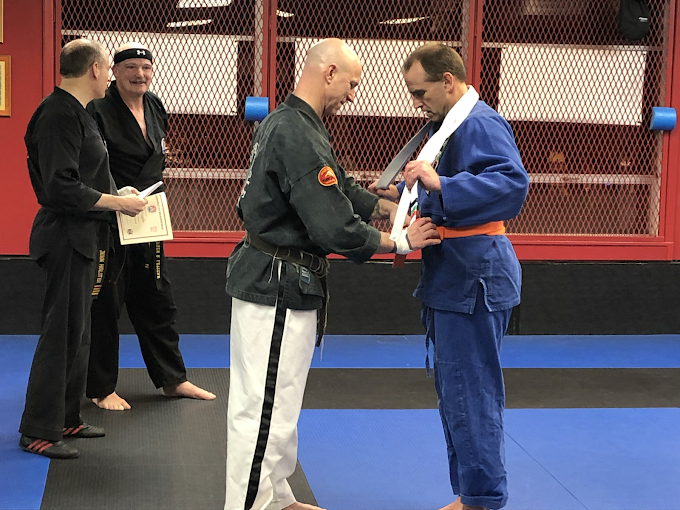
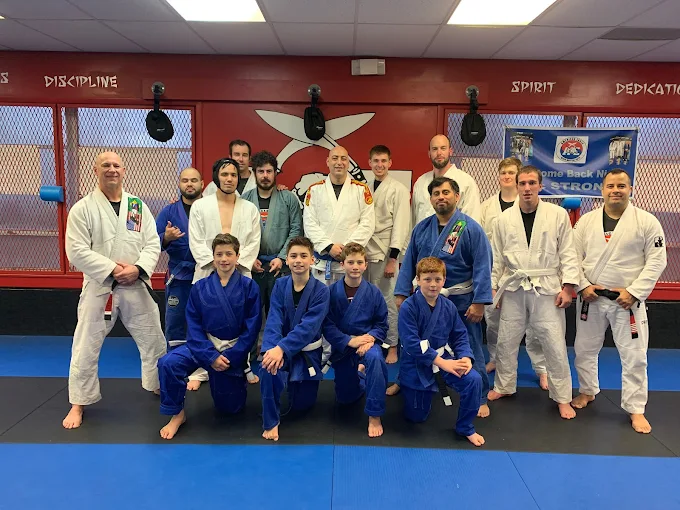






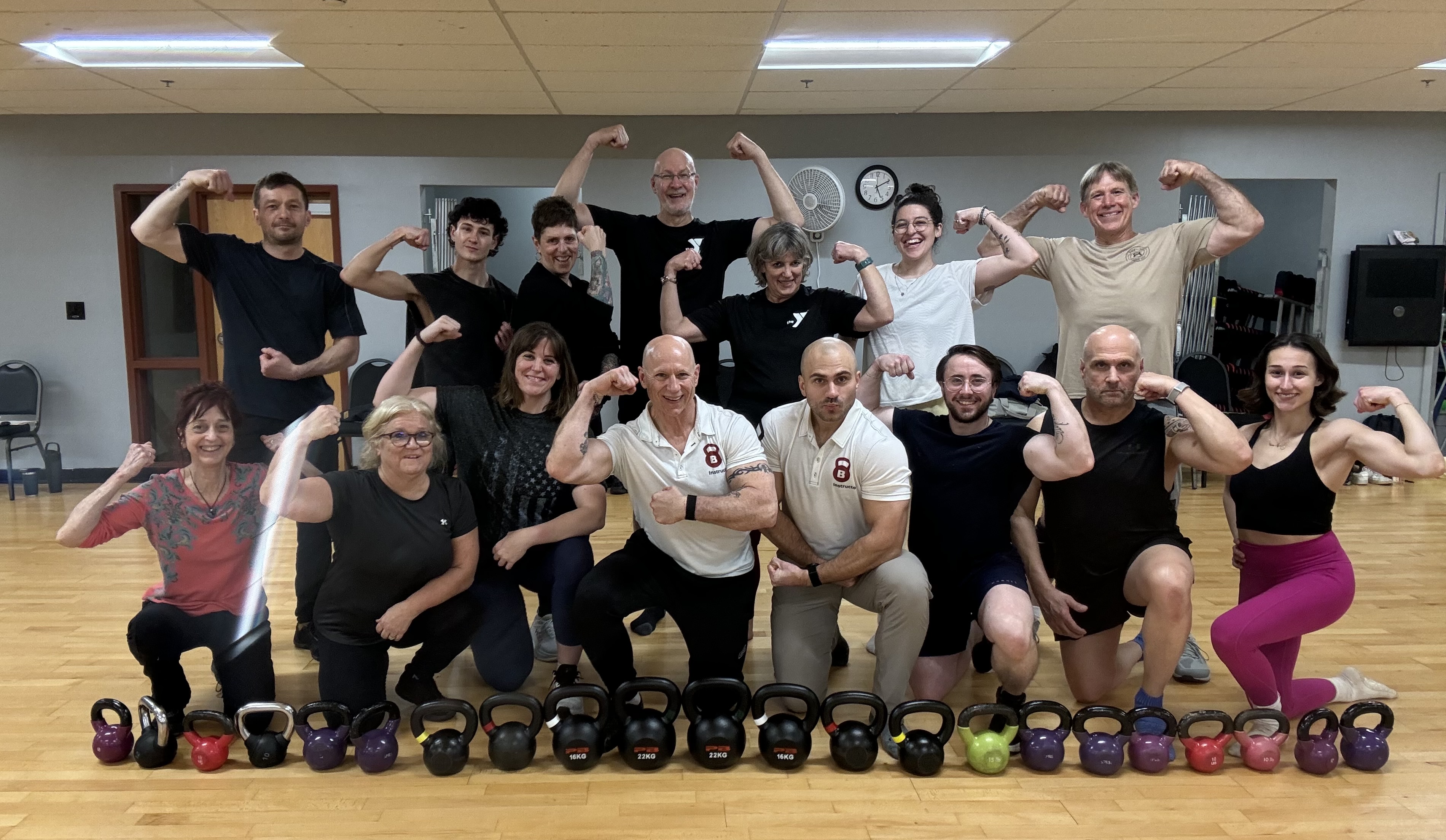
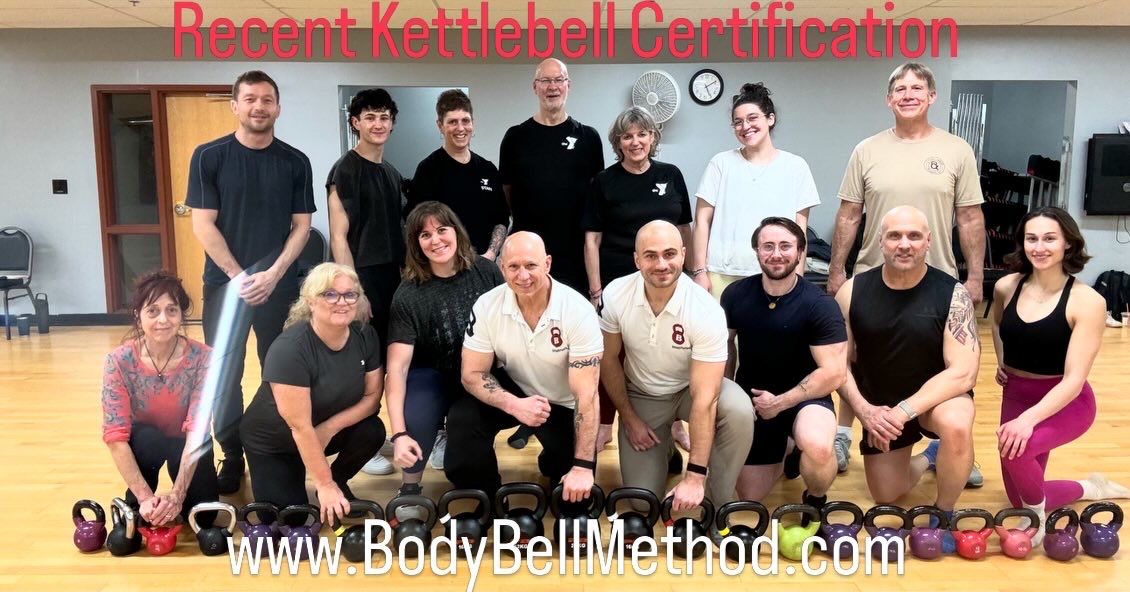
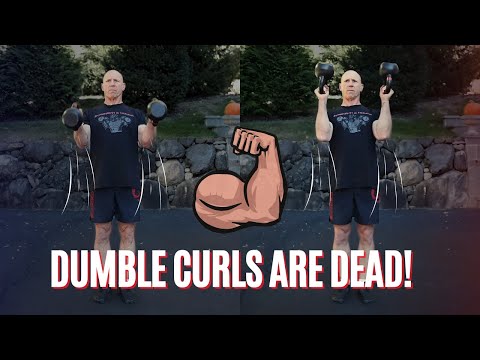

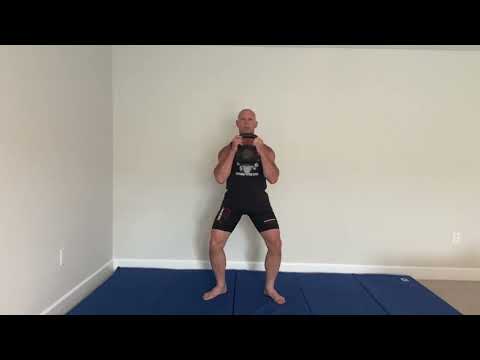

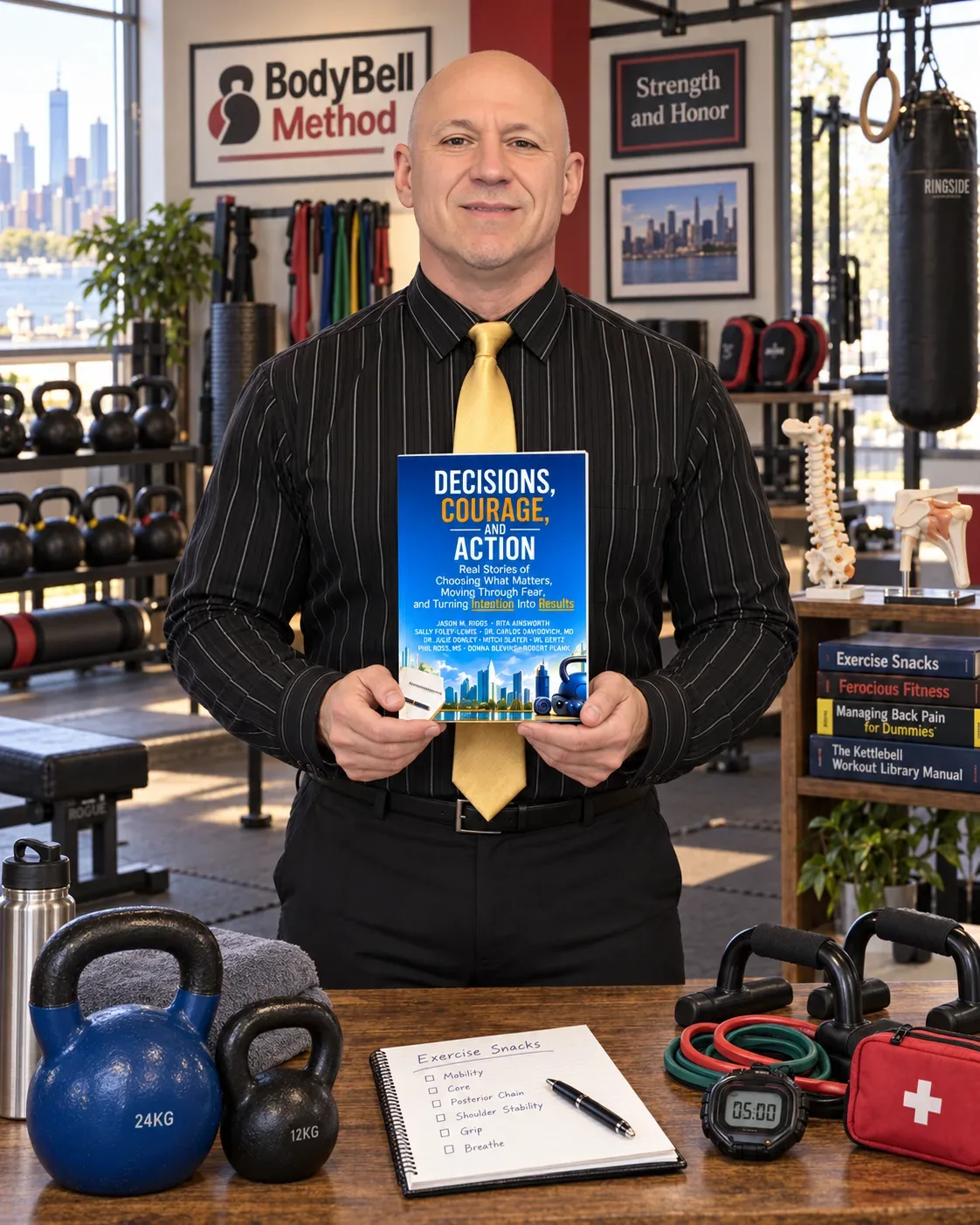
Master Phil Ross is an internationally recognized mixed martial arts instructor, trainer and wrestling coach with over 50 years of experience in Martial Arts of various disciplines: American Lethwei (Bando), Catch Wrestling, Combat & Brazilian Jiu Jitsu, Taekwondo and Filipino Arnis. The combination of these arts and his experience as a bouncer and bodyguard lend American Eagle MMA as an extremely effective Defensive Tactics Methodology.
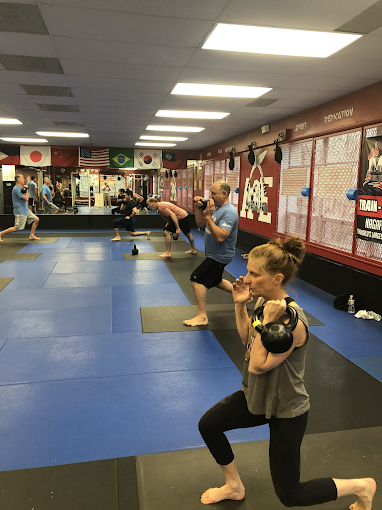
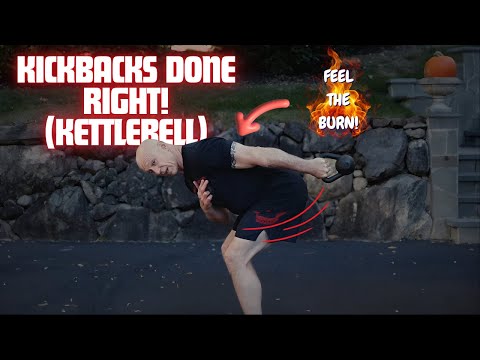
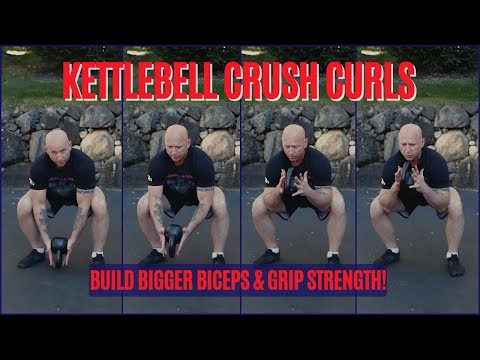
His strength and conditioning training includes, but is not limited to Kettlebells, Bodyweight, Dynamic Tension, Powerlifting, Bodybuilding and Olympic Style Weightlifting. Strength, explosive power, flexibility, mobility and muscular endurance are all achieved with the BodyBell Method. We are proudly serving Bergen and Passaic County, New Jersey.
Training is available virtually through online videos accessible through Philross.com, One on One in person or online an through seminars and certifictions in The BodyBell Method and Survival Strong.
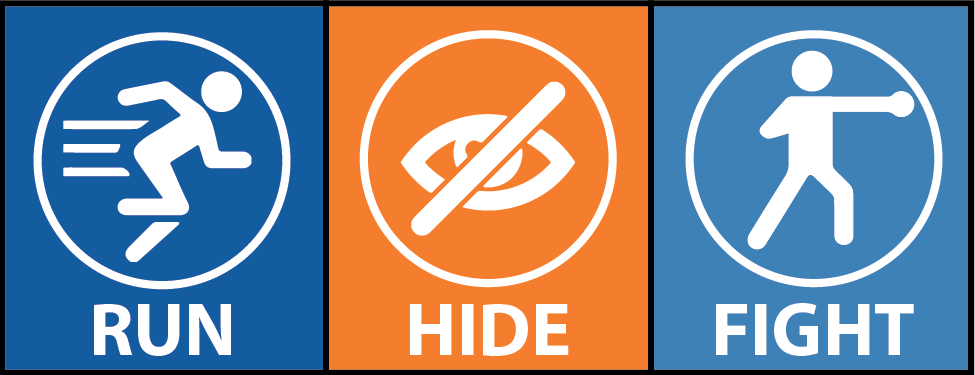
Run, Hide, FIGHT! Terror attacks are commonplace today. The United States finds itself in the same position as the rest of the world. The "It won't happen to me" and the "Not in the US" attitude is a notion of the past. ISIS has levied a call to "All Soldiers" that they should attack soft targets with cars, trucks, knives, machetes, and whatever else they can get their hands on. They post directives on their website and through their internet channels. None of us are immune. Whether you like it or not, you are a soft target. Do you live in a fortified encampment? Do you drive an armored vehicle? Do you wear a Kevlar vest when you leave your house? Do you have bodyguards? Do you have a concealed carry permit? Do you even own a gun? If you answer no to any of the above, you are a soft target. I'm one too, but I've taken measures. What measures have you taken to give you and your family a better chance of survival in the face of an attack? The officials broadcasted a message to the student body of Ohio StateUniversity in response to the attack that took place on the morning of November 28th, as students went about their business the Monday after Thanksgiving weekend. I'm 100% certain that not one of the 11 victims injured woke up that morning and thought to themselves, "Today I'm going to get stabbed or run over by a car". Maybe they should have had the thought in the back of their minds, as should you... The advice given - run, hide and fight. Yeah, that's pretty easy to say, but how does one execute the plan? The first bit of advice they give is to run. OK run, but run where? You don't want to run from the frying pan right into the fire! Many terrorists place traps and make strategic attacks to maximize their carnage. Hide, what if there is no place to hide? Does your hiding spot offer an exit? There may be no other option but to fight. Fight, how many of you know the first thing about fighting? Playing UFC or Call of Duty on X-box does not qualify you for anything, except a soft belly, poor posture, over used thumbs and a skewed view of reality. The best advise that I can offer you is to learn basic self defense, situational awareness and engage in a fitness routine and to increase the level of your vigilance. It's not only the terrorists that you need to be concerned with. Street thugs, home invasions, college campuses, bars, parking lots, shopping malls, etc...There are many perils. Violence is inherent to our society. You need not like it, but you had better be prepared to deal with it. How does one accomplish this? Research martial arts or self defense schools in your area and find a good one. Exercise due diligence, we are talking about your life and the lives of your loved ones. Take this seriously. But before you do any of this, purchase this book: A Guide to Street Survival and Strength, available on Amazon, www.philross.com Read the 23 chapters and not only will have a great understanding on what to look for in a good martial arts school or self defense center, but you will have an encyclopedia of knowledge regarding street survival and strength. The reason I wrote this book was to supply people with the knowledge to survive violent encounters through awareness and preparation. I've done my part, now it's your turn to do what you need to do in order to improve your chances to survive. Strength & HonorMaster Phil Ross9th Degree Black BeltMaster Kettlebell Instructor
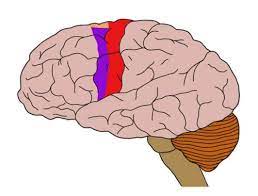
Motor Function and Brain Disruption: CTE & ConcussionsThere are a host of events that can disrupt the motor function of the brain. Our central nervous system, CNS, is the center of all motor function and is comprised of the brain and the spinal cord. All of the feedback and feedforward information from the PNS, peripheral nervous system, is sent, interpreted and addressed in the CNS (Powers & Howely, 2015). When there are disruptions to these systems, motor function, speech, thought and even death can result. There are many conditions that result in brain dysfunction. Concussions are a very hot topic of late. The movie Concussion, starring Will Smith as Dr. Bennet Omalu and his findings upon the autopsy of former All Pro NFL Center Mike Webster of the Pittsburgh Steelers sparked a series of autopsies and studies to be conducted on TBI or Traumatic Brain Injuries. There are several causes of TBI’s and unfortunately many of them go unreported and/or very little is done in the manner of follow-up after the patient leaves the hospital. Additionally, especially with sports related head trauma, the athletes tend to minimize or attempt to hide the occurrence in fear of losing playing or practice time. This is evidenced in the findings of a study conducted on college football players and a healthy control group. The repeated trauma to the head resulted in a 25% hippocampal volume reduction in the college football players vs. the healthy non-athletes (Fine, 2014). Not only is football a culprit, but according the studies reported by the American Association of Neurological Surgeon, football is second to cycling with hockey and horseback riding offering up substantial numbers as well. There is also another consideration, dehydration and its effect on head trauma. When I was coaching a high school wrestling team, we had a rash of concussions one year and which prompted me to delve into the concussion protocol and subsequently discovered a few interesting facts. Dehydration and the snapping of the head placed a great deal of stress on the brain. Prior to this, we’d see concussions caused by a wrestler getting accidently kneed in the head or both wrestlers head butting each other by mistake. This coupled with the brain’s response to long bouts of exercise affected the motor response of the body (Powers, Howely, 2015 pg. 153). Dehydration as a result of weight cutting or over exercising can lead to the loss of cerebral fluid and reduce the amount of cushioning to the brain and foster a condition of the brain becoming more susceptible to trauma. There data collection and concussion protocol are in their infancy and much more research needs to be done. All athletes should be subject to testing of motor and cognitive skills prior to competition so a baseline of brain function is set. This is the only true way to know how much they have been affected by the brain trauma. References:Weber, Amanda Friedline, et al. Journal of Athletic Training 2013;48(2):153–160 doi: 10.4085/1062-6050-48.1.07 by the National Athletic Trainers’ Association, Inc www.natajournals.org Mar/Apr 2013, Vol 48, No. 2, pp 153-160Maron, Dina Fine. A Generation Losses Consciousness, and Grows More Consciousness of Headbanging. May 13, 2014Powers, Scott K., and Howley, Edward T. Exercise Physiology, Theory of Application and Performance. 9th ed. New York: McGraw-Hill, 2015. American Association of Neurological Surgeons. Sports-related Head Injury. 5550 Meadowbrook Drive Rolling Meadows, IL 60008-3852 P 847.378.0500 or 888.566.AANS (2267) F 847.378.0600 Email: info@aans.org. 2017
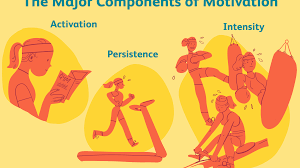
Motivation and Changing BehaviorMotivation for Age Group/Gender: 38-year-old female Fitness level, reasons for training, program, fears, lifestyle, etc: The client described above was had participated in fitness and kettlebell-based training classes previously with an instructor from Russia. She had a reasonable level of fitness, but had taken 4 months off from her training. Plus, having come from training with someone from Russia in kettlebells (and being of Russian descent herself), she was apprehensive about training in Russian kettlebells with an American. Her goals are strength, conditioning, mobility, flexibility and to achieve a total body workout in a challenging, yet encouraging environment. Her fears and doubts were addressed with our introductory special. She tried out the classes and we provided her with top shelf instruction. We employ the Hardstyle Kettlebell System of training and demonstrated that all of her needs and goals would be met with our programming that provides all of the wave loading and periodization for her. We have addressed her needs and she continually improves and signed on as a full member several month ago. Age and gender can have a profound effect on what type of motivation is required. The motivation for an athlete may be revolved around increasing their performance in their given sport. An adult may want to lower their blood pressure and lower their LDL level, whereas a middle aged individual may want to simply be able to move better. The challenge of the coach or trainer is to first identify the needs and secondly to address them. Goals change over time and it’s great to witness. Clients will come in looking to “shed a few pounds” and after three to six months, their challenging themselves with the size of the kettlebell or how many tactical pull-ups they can perform. In this stage they are consistently adding to their goals and have entered into the state of self efficacy. The training becomes part of them and begins to be part of what defines them. Changing Behavior: At this point in my life I do not engage in any bad habits, but this was not always the case. When I was in college I used chewing tobacco as a means to keep me occupied while losing weight for wrestling. I was addicted and “dipped” daily for at least a decade upon my graduation from college. My father was overweight and we made a deal with each other; I’d stop chewing tobacco and he’d lose the 80 pounds that he needed to achieve a healthy weight. I was able to quit cold turkey and my father was not able to lose the necessary weight and met his demise 15 years ago. Behavior: Chewing TobaccoShort Term Benefits/Risks: Feels good, catch a buzz and suppresses appetite. Sores in the mouth, yellow teeth and bad breath. Long Term Benefits/Risks: Stomach, throat and mouth irritation and cancer risks are significantly increased. The cost of a tin of tobacco has risen dramatically making its use fiscally unattractive. There are no long term benefits to using tobacco of any kind.Changing behaviors is not an easy task, especially when the behavior involves an addictive substance. There needs to be continued motivation adopted by the participant to be successful. A good support network in tantamount to the success of the change. If others in your circle are participating in the behavior that one wishes to change, the task becomes even more difficult to achieve. Reference:Bryant, C. X., Ph.D., & Green, D. J. (2012). Essentials of Exercise Science for Fitness Professionals. American Council on Exercise. ISBN 9781890720315. 4851 Paramount Drive, San Diego, CA, 92123
We all know the feeling. You see them dominate the sales floor, crushing quotas and racking up commissions. They’re your top producer, the golden goose who lays the golden eggs in the form of new memberships. But what happens when this superstar starts casting a shadow that stretches far beyond their sales numbers? Firing your top producer is a decision no gym owner takes lightly. Yet, sometimes, holding onto toxicity even for high numbers can cost you far more than it gains. Today, we’ll navigate the murky waters of this paradox and explore the red flags that might signal it’s time to say goodbye, even to your top performer. Red Flag #1: Culture Corrosion: Does your golden goose leave a trail of tears and bruised egos in their wake? Are they known for manipulative tactics, belittling their colleagues, or creating a toxic atmosphere? Remember, culture eats strategy for breakfast. A single bad apple can spoil the entire bunch, driving away valuable team members and creating a climate of fear and negativity. Red Flag #2: Shortcuts & Shadowy Practices: While exceeding quotas is impressive, how are they doing it? Are they cutting corners, making false promises to secure sales, or engaging in unethical practices? These shortcuts might inflate your numbers in the short term, but they’ll erode trust and damage your reputation in the long run. A member base built on deception is as shaky as a poorly stacked squat rack. Red Flag #3: The One-Man Show: Is your top producer a lone wolf, hoarding knowledge and refusing to share their secrets? While individual brilliance is valuable, a gym thrives on teamwork and collaboration. If your golden goose isn’t building up the team and contributing to a knowledge-sharing culture, they’re not truly a producer of value, but a bottleneck of potential. Red Flag #4: The Unscalable Star: Can you replicate your top performer’s success? If their approach relies solely on their charisma or personal sales tactics, you’ve built a house of cards balanced on one person’s shoulders. Look for those who not only excel themselves but also inspire and empower others to do the same. A sustainable sales strategy rests on building a system, not relying on a single shining star. The Final Weigh-In: Letting go of a top producer can be a gut-wrenching decision. But remember, leadership isn’t just about numbers; it’s about creating a healthy, thriving environment for everyone. If your golden goose is poisoning the well, clouding your culture, and ultimately hindering your long-term growth, it’s time to make the tough call. Remember, true success isn’t measured by one shining star, but by a constellation of empowered individuals working together. Invest in building a team that inspires, collaborates, and upholds your values. That’s the recipe for a gym that shines brighter than any single golden goose ever could. So, gym owners, are you ready to face the paradox and rewrite the narrative? It’s time to embrace a culture of excellence, where the true measure of success isn’t just sales, but the collective well-being and potential of your entire team. Let’s build gyms that are more than just fitness centers, but havens of health, happiness, and growth. And sometimes, that journey starts with letting go of even the brightest, but toxic, star. Now, get out there and lead with courage, compassion, and a commitment to your vision. The fitness industry awaits, and it’s hungry for change. Contact Jim Here. Click here for more details on financing options or call 214-629-7223 or email jthomas@fmconsulting.net for more information. Or, apply now. If your fitness business is in need of a turnaround, a boost in sales, or a fresh marketing approach, we’re here to help. We offer a free initial consultation to discuss your specific situation and explore how our expertise can make a difference. Don’t hesitate to reach out to Jim Thomas at 214-629-7223 or find valuable insights on YouTube. An Outsourced CEO, Turnaround Expert and Author, Jim Thomas is the founder and president of FMC USA Inc., a management consulting, turnaround, financing and brokerage firm specializing in the leisure services industry. With more than 25 years of experience owning, operating and managing facilities of all sizes, Thomas lectures and delivers seminars, webinars and workshops across the globe on the practical skills required to successfully overcome obscurity, improve gym sales, build teamwork and market fitness programs and products. Visit his Web site at: www.fmconsulting.net or www.youtube.com/gymconsultant.
Forget fancy equipment and trendy classes. The real differentiator in the fitness industry isn’t what hangs on your walls, it’s what’s between your staff’s ears. And if you want your gym to rise above the pack, there’s one golden rule you need to embrace: relentless staff training. Think of the most successful gyms you know. What makes them tick? Chances are, their staff isn’t just competent, they’re electric. They walk the fine line between knowledgeable experts and enthusiastic cheerleaders, motivating members to push their limits, fall in love with fitness, and come back for more. This magic doesn’t happen by accident. It’s born out of an unwavering commitment to training and coaching your staff. Because let’s face it, in the fitness game, mediocre just doesn’t cut it. You need to ignite your team with the skills, knowledge, and passion to create unforgettable member experiences. Training isn’t a luxury, it’s a necessity. It’s the fuel that powers stellar sales conversions. It’s the secret sauce that elevates customer service from polite smiles to genuine human connection. It’s the foundation for building unshakeable systems that keep your gym running like a well-oiled machine. Here’s the kicker: the best don’t wait. They understand that every week counts. That’s why at least two hours of training per week is their non-negotiable mantra. They invest in workshops, seminars, guest speakers, and even peer-to-peer coaching sessions. They devour industry publications and stay ahead of the curve on fitness trends. They embrace feedback and turn it into opportunities for growth. The results? They speak for themselves. Member retention skyrockets: Happy, motivated staff turn gym memberships into long-lasting relationships. Sales quotas are obliterated: Confidence, knowledge, and enthusiasm are contagious, leading to more effortless conversions. Operational efficiency soars: Smooth systems and a culture of teamwork mean less chaos and more member satisfaction. Staff morale bursts through the roof: Feeling valued and constantly improving is a recipe for engaged and passionate employees. Investing in your team isn’t a cost, it’s an investment in your future. It’s about building a culture of excellence that permeates every facet of your gym. It’s about creating a staff that’s your biggest asset, not just your workforce. So, are you ready to join the ranks of the relentless? Are you ready to unlock the true potential of your gym and your people? If so, make training your non-negotiable. Commit to those two hours a week, embrace continuous learning, and watch your gym transform into a haven of fitness fueled by the best staff in the business. Remember, when it comes to staff training, there’s no finish line. It’s a lifelong pursuit that fuels success and sets you apart from the rest. So, step up, get relentless, and watch your gym rise to the top! Let’s make 2024 the year of relentless staff training. Are you in? Click here for more details on financing options or call 214-629-7223 or email jthomas@fmconsulting.net for more information. Or, apply now. If your fitness business is in need of a turnaround, a boost in sales, or a fresh marketing approach, we’re here to help. We offer a free initial consultation to discuss your specific situation and explore how our expertise can make a difference. Don’t hesitate to reach out to Jim Thomas at 214-629-7223 or find valuable insights on YouTube. An Outsourced CEO, Turnaround Expert and Author, Jim Thomas is the founder and president of FMC USA Inc., a management consulting, turnaround, financing and brokerage firm specializing in the leisure services industry. With more than 25 years of experience owning, operating and managing facilities of all sizes, Thomas lectures and delivers seminars, webinars and workshops across the globe on the practical skills required to successfully overcome obscurity, improve gym sales, build teamwork and market fitness programs and products. Visit his Web site at: www.fmconsulting.net or www.youtube.com/gymconsultant.
Sweat dripping down your neck, muscles screaming, heart pounding: that’s the intensity you demand from your workouts. But guess what? Your gym business needs the same darn fire! Because here’s the truth, gym owners: you’re in the retail sales game, not the fitness charity league. No matter how killer your equipment, how innovative your classes, how Instagramable your smoothie bar, without mastery of sales and sales management, your gym is just a shiny sweatbox destined for bankruptcy. Think about it: Everyone wants the magic elixir of looking better, feeling better, living longer. You’ve got a built-in target audience with bottomless desire! But desire alone doesn’t pay the bills. You need salespeople, not cheerleaders, who can translate that desire into memberships, packages, and recurring revenue. Forget the “build it and they will come” mantra. You need a proactive, strategic sales engine that hunts down leads, nurtures prospects, and closes deals like a well-oiled bicep curl. Here’s where most gym owners stumble: They confuse passion for expertise. You love fitness, great! But can you train your team to handle objections, build rapport, and close deals like seasoned pros? They think technology is a magic wand. Automating the signup process is awesome, but it won’t replace skilled salespeople who understand human psychology and build trust. They treat sales like a dirty word. Newsflash: every successful business, from Apple to Amazon, thrives on exceptional sales. Why should your gym be any different? The good news is, you can turn this around! Invest in sales training. Equip your team with the skills to become fitness consultants, not telemarketers. Build a culture of data-driven sales, constant improvement, and relentless pursuit of results. Hire for talent, not just charm. Look for salespeople who understand psychology, communication, and building relationships. Passion for fitness is a bonus, but sales acumen is a must-have. Track, measure, and adjust. Every interaction, every lead, every conversion needs to be analyzed. Use data to refine your sales approach, identify weaknesses, and optimize your funnel for maximum profit. Remember, gym owners: Your members won’t magically appear. You need to go out and get them. Your equipment won’t sell itself. You need salespeople who can articulate its value. Your passion won’t pay the bills. You need a revenue engine fueled by relentless sales focus. So, are you ready to pump up your profits? Stop being a fitness enthusiast and become a sales powerhouse. Master the game, build a killer sales team, and watch your gym reach its full potential. Because in the fitness game, survival of the fittest applies not just to your members, but to your business too. Now go out there and crush it! Don’t just run a gym, run a sales machine. Take action today! Click here for more details on financing options or call 214-629-7223 or email jthomas@fmconsulting.net for more information. Or, apply now. If your fitness business is in need of a turnaround, a boost in sales, or a fresh marketing approach, we’re here to help. We offer a free initial consultation to discuss your specific situation and explore how our expertise can make a difference. Don’t hesitate to reach out to Jim Thomas at 214-629-7223 or find valuable insights on YouTube. An Outsourced CEO, Turnaround Expert and Author, Jim Thomas is the founder and president of FMC USA Inc., a management consulting, turnaround, financing and brokerage firm specializing in the leisure services industry. With more than 25 years of experience owning, operating and managing facilities of all sizes, Thomas lectures and delivers seminars, webinars and workshops across the globe on the practical skills required to successfully overcome obscurity, improve gym sales, build teamwork and market fitness programs and products. Visit his Web site at: www.fmconsulting.net or www.youtube.com/gymconsultant.
In the fast-paced world of fitness, where every moment counts, gym owners and salespeople often find themselves caught in the whirlwind of daily tasks. However, there’s a critical distinction between being busy and being productive. In this dynamic industry, success hinges on the ability to channel efforts toward meaningful, results-driven activities. As a gym business consultant, let’s delve into the importance of transcending busyness to unlock the full potential of gym owners and sales teams. The Perils of Busyness: While it may seem counterintuitive, staying constantly busy doesn’t always translate to success. Many gym owners and salespeople fall into the trap of engaging in numerous tasks without a clear strategy or purpose. This leads to burnout, diminished creativity, and, ultimately, a lack of tangible results. To truly thrive in the competitive fitness landscape, it’s imperative to shift focus from sheer activity to meaningful productivity. Setting Clear Goals: Productivity starts with setting clear, measurable goals. Gym owners must define their business objectives, whether it’s increasing membership, boosting revenue, or enhancing customer satisfaction. Once these goals are established, it becomes easier to prioritize tasks that directly contribute to their achievement. Time Management and Efficiency: Effective time management is the cornerstone of productivity. Gym owners and sales teams must identify high-priority tasks and allocate time and resources accordingly. Utilize tools and technology to streamline operations, automate routine processes, and free up valuable time for more strategic initiatives. By doing so, you ensure that every minute invested contributes to the overall success of the gym. Quality over Quantity in Sales: For sales teams, the adage “quality over quantity” holds true. Instead of merely making countless calls or sending numerous emails, focus on targeted efforts. Understand your target audience, tailor your approach to individual needs, and build meaningful connections. A few quality interactions can far outweigh a plethora of generic outreach attempts. Continuous Learning and Adaptability: To be truly productive, the gym industry demands continuous learning and adaptability. Stay informed about industry trends, consumer preferences, and emerging technologies. Equip your team with the knowledge and skills necessary to navigate a rapidly evolving landscape. By embracing change, you position your gym to be at the forefront of innovation and customer satisfaction. Building a Collaborative Culture: Encourage a culture of collaboration within your gym. Foster open communication, teamwork, and idea-sharing among staff. When everyone is aligned with the overarching goals, the collective effort becomes more potent, and productivity becomes a shared responsibility. Conclusion: In the bustling world of fitness, gym owners and salespeople must move beyond mere busyness and embrace strategic productivity. By setting clear goals, managing time effectively, focusing on quality in sales, continuously learning, and fostering a collaborative culture, gyms can thrive in a competitive market. Remember, it’s not about doing more; it’s about doing what matters most. As the fitness landscape evolves, those who prioritize productivity over busyness will emerge as industry leaders. Click here for more details on financing options or call 214-629-7223 or email jthomas@fmconsulting.net for more information. Or, apply now. If your fitness business is in need of a turnaround, a boost in sales, or a fresh marketing approach, we’re here to help. We offer a free initial consultation to discuss your specific situation and explore how our expertise can make a difference. Don’t hesitate to reach out to Jim Thomas at 214-629-7223 or find valuable insights on YouTube. An Outsourced CEO, Turnaround Expert and Author, Jim Thomas is the founder and president of FMC USA Inc., a management consulting, turnaround, financing and brokerage firm specializing in the leisure services industry. With more than 25 years of experience owning, operating and managing facilities of all sizes, Thomas lectures and delivers seminars, webinars and workshops across the globe on the practical skills required to successfully overcome obscurity, improve gym sales, build teamwork and market fitness programs and products. Visit his Web site at: www.fmconsulting.net or www.youtube.com/gymconsultant.
Running a gym is undoubtedly a rewarding venture, but it can also be isolating for owners. The unique challenges they face require innovative solutions and a fresh perspective. In this article, we delve into the transformative impact of independent consultation for gym owners, emphasizing the value it brings to both the business and its staff. Navigating Isolation: Gym owners often find themselves navigating the entrepreneurial journey alone. The absence of a supportive network can hinder the exchange of ideas and hinder growth. Independent consultants offer a lifeline, providing a valuable external viewpoint to break through the isolation barrier. A Catalyst for Ideas: Consultants act as catalysts for new ideas. They bring a wealth of experience and industry knowledge, helping gym owners brainstorm creative solutions to challenges they might not have considered. A fresh perspective can be the spark that ignites innovation within your gym. Solutions Evoked: Beyond just ideas, consultants play a crucial role in evoking actionable solutions. They work collaboratively with gym owners, guiding them through the process of implementation. From refining marketing strategies to optimizing operational efficiency, consultants ensure that ideas are not just discussed but effectively executed. Regular Coaching for Growth: Recognizing the need for ongoing support, savvy gym owners are embracing the concept of regular coaching sessions. This isn’t a one-time fix; it’s an ongoing partnership aimed at fostering continuous improvement. Regular consultations create a dynamic environment where your gym can adapt and thrive in the ever-evolving fitness industry. Extending Benefits to Staff: The positive impact of consultations extends beyond the owner. Including staff in these sessions can enhance teamwork, boost morale, and provide professional development opportunities. A united team, fueled by shared goals and strategies, is instrumental in achieving sustainable success. Maximizing Opportunities: Gym owners are increasingly recognizing the untapped opportunities that come with seeking external guidance. Whether it’s exploring new revenue streams, optimizing membership models, or embracing cutting-edge fitness trends, consultants help owners identify and capitalize on opportunities that align with their business goals. Building a Support System: Independent consultants don’t just offer expertise; they become a crucial part of a gym owner’s support system. The journey of entrepreneurship is demanding, and having a trusted advisor can make a significant difference. Consultants provide not only professional guidance but also emotional support, helping gym owners navigate the highs and lows of business ownership. Conclusion: In the dynamic world of fitness entrepreneurship, embracing independent consultation is not a sign of weakness but a strategic move towards growth and success. Breaking free from isolation, generating innovative ideas, and implementing effective solutions – consultants empower gym owners to elevate their businesses to new heights. As the fitness industry evolves, the collaboration between gym owners and independent consultants will continue to be a driving force behind sustainable success. Contact Jim Here. Click here for more details on financing options or call 214-629-7223 or email jthomas@fmconsulting.net for more information. Or, apply now. If your fitness business is in need of a turnaround, a boost in sales, or a fresh marketing approach, we’re here to help. We offer a free initial consultation to discuss your specific situation and explore how our expertise can make a difference. Don’t hesitate to reach out to Jim Thomas at 214-629-7223 or find valuable insights on YouTube. An Outsourced CEO, Turnaround Expert and Author, Jim Thomas is the founder and president of FMC USA Inc., a management consulting, turnaround, financing and brokerage firm specializing in the leisure services industry. With more than 25 years of experience owning, operating and managing facilities of all sizes, Thomas lectures and delivers seminars, webinars and workshops across the globe on the practical skills required to successfully overcome obscurity, improve gym sales, build teamwork and market fitness programs and products. Visit his Web site at: www.fmconsulting.net or www.youtube.com/gymconsultant.
In the ever-evolving fitness industry, the success of a gym business hinges not only on state-of-the-art equipment and innovative programs but also on the strength of its team. Recruiting, training, onboarding, and holding staff accountable are crucial components that can make or break a gym’s success. In this article, we’ll explore high-impact strategies to help gym owners build a winning team for sustained growth and customer satisfaction. Recruiting the Right Talent: Identify Core Values: Clearly define your gym’s core values and mission. When recruiting, look for candidates who align with these values and are passionate about fitness and wellness. Utilize Multiple Channels: Explore various recruitment channels, from social media platforms to fitness-related forums. Cast a wide net to attract diverse and skilled individuals. Conduct Thorough Interviews: During interviews, assess not only technical skills but also interpersonal skills and a genuine passion for helping others achieve their fitness goals. Training for Excellence: Comprehensive Onboarding: Develop a detailed onboarding program that covers not only job responsibilities but also the gym’s culture, values, and customer service expectations. Continuous Education: Invest in ongoing training programs to keep staff updated on the latest fitness trends, equipment usage, and safety protocols. This not only enhances their skills but also ensures a consistently high standard of service. Cross-Training Opportunities: Encourage cross-training among staff members to foster a collaborative environment and enhance their versatility. Effective Onboarding Processes: Mentorship Programs: Pair new hires with experienced staff members to provide guidance and support during the initial stages of their employment. Establish Clear Expectations: Clearly communicate roles, responsibilities, and performance expectations from the start. This clarity fosters a sense of accountability and professionalism. Seek Feedback: Regularly seek feedback from new hires about their onboarding experience to identify areas for improvement and ensure a smooth transition into their roles. Holding Staff Accountable: Performance Metrics: Establish measurable performance metrics tied to individual and team goals. Regularly track and communicate progress, providing constructive feedback when necessary. Recognition and Rewards: Implement a recognition and rewards system to celebrate achievements and motivate staff. This could include employee of the month awards, bonuses, or other incentives. Open Communication: Foster an environment of open communication where staff feel comfortable expressing concerns or ideas. Regular check-ins and team meetings can be instrumental in maintaining accountability. Conclusion: Recruiting, training, onboarding, and holding staff accountable are interconnected elements that form the backbone of a successful gym business. By investing time and resources in building a strong team, gym owners not only enhance the overall member experience but also position their business for long-term success in a competitive market. Remember, a motivated and well-trained team is the key to unlocking the full potential of your gym business. Contact Jim Here. Click here for more details on financing options or call 214-629-7223 or email jthomas@fmconsulting.net for more information. Or, apply now. If your fitness business is in need of a turnaround, a boost in sales, or a fresh marketing approach, we’re here to help. We offer a free initial consultation to discuss your specific situation and explore how our expertise can make a difference. Don’t hesitate to reach out to Jim Thomas at 214-629-7223 or find valuable insights on YouTube at www.youtube.com/gymconsultant. An Outsourced CEO, Turnaround Expert and Author, Jim Thomas is the founder and president of FMC USA Inc., a management consulting, turnaround, financing and brokerage firm specializing in the leisure services industry. With more than 25 years of experience owning, operating and managing facilities of all sizes, Thomas lectures and delivers seminars, webinars and workshops across the globe on the practical skills required to successfully overcome obscurity, improve gym sales, build teamwork and market fitness programs and products. Visit his Web site at: www.fmconsulting.net or www.youtube.com/gymconsultant.
In the dynamic realm of fitness, the struggle to attract and retain new members is a challenge many gym owners face. As a gym business consultant, I present to you a comprehensive guide on revitalizing your new member sales and retention strategies. Let’s explore actionable steps that can breathe new life into your gym business and pave the way for sustained success. Data-Driven Insights: Harness the power of data analytics to understand your members better. Analyze member behavior, preferences, and attendance patterns. Utilize this information to tailor your offerings and communication strategies, making your gym experience more personalized. Innovative Onboarding Programs: Enhance the onboarding experience for new members with innovative programs that go beyond the initial tour. Consider offering complimentary personal training sessions, nutrition consultations, or exclusive access to classes. A positive first impression sets the tone for long-term engagement. Targeted Marketing Campaigns: Craft targeted marketing campaigns that appeal to specific demographics in your community. Leverage social media, email marketing, and local advertising to highlight the unique aspects of your gym that cater to the needs and interests of potential new members. Referral Programs: Empower your current members to be advocates for your gym by implementing a robust referral program. Offer incentives, such as discounted memberships or exclusive classes, for members who bring in new sign-ups. Word-of-mouth referrals can significantly boost your new member acquisition. Value-Added Memberships: Introduce value-added memberships that include perks like access to exclusive events, discounts on partner services, or personalized fitness assessments. Creating a sense of exclusivity can attract new members and encourage existing ones to upgrade their memberships. Engaging Virtual Platforms: Recognize the trend towards virtual fitness and integrate it into your offerings. Provide on-demand workout videos, virtual classes, and interactive challenges. This not only caters to a broader audience but also adds flexibility for members who prefer remote workouts. Feedback Mechanisms: Actively seek feedback from both new and existing members to understand their needs and concerns. Implementing changes based on member feedback shows a commitment to their satisfaction and can lead to increased loyalty. Retention-Focused Staff Training: Invest in staff training programs that emphasize the importance of member retention. Equip your team with communication skills, conflict resolution techniques, and the ability to create a welcoming environment. A well-trained staff plays a crucial role in member satisfaction and retention. Conclusion: The road to rejuvenating new member sales and retention is paved with strategic planning and innovative thinking. By leveraging data insights, implementing targeted marketing, and enhancing member experiences, your gym can overcome the challenges and create a thriving community. Implement these strategies now to witness a positive shift in your new member acquisition and retention efforts. Contact Jim Here. Click here for more details on financing options or call 214-629-7223 or email jthomas@fmconsulting.net for more information. Or, apply now. If your fitness business is in need of a turnaround, a boost in sales, or a fresh marketing approach, we’re here to help. We offer a free initial consultation to discuss your specific situation and explore how our expertise can make a difference. Don’t hesitate to reach out to Jim Thomas at 214-629-7223 or find valuable insights on YouTube at www.youtube.com/gymconsultant. An Outsourced CEO, Turnaround Expert and Author, Jim Thomas is the founder and president of FMC USA Inc., a management consulting, turnaround, financing and brokerage firm specializing in the leisure services industry. With more than 25 years of experience owning, operating and managing facilities of all sizes, Thomas lectures and delivers seminars, webinars and workshops across the globe on the practical skills required to successfully overcome obscurity, improve gym sales, build teamwork and market fitness programs and products. Visit his Web site at: www.fmconsulting.net or www.youtube.com/gymconsultant.
Gym owners, buckle up. The fitness journey, like any great adventure, throws potholes and detours your way. Membership slumps, equipment woes, even that leaky roof conspiring against your gains. But fret not, these roadblocks aren’t dead ends, they’re opportunities to shift gears and burn rubber towards even greater success. Common Gym Roadblocks and How to Conquer Them: 1. Membership Meltdown: That dreaded dip in numbers can send chills down any owner’s spine. Solution: Don’t just offer the same old treadmill tango. Spice things up with dynamic group workouts, personalized training plans, and community events that build loyalty. Analyze churn data, understand why members leave, and address their pain points. Invest in retention strategies like loyalty programs and member appreciation events. 2. Equipment Epidemic: Broken treadmills, rusty barbells, malfunctioning spin bikes – a fitness nightmare. Solution: Schedule proactive maintenance, create an equipment replacement budget, and consider creative financing options for new investments. Offer alternative workouts while equipment is down, and communicate downtime transparently to members. Partner with local fitness businesses for temporary access to their equipment during repairs. 3. Marketing Maze: Lost in the sea of Instagram influencers and sponsored ads? Solution: Define your target audience and tailor your marketing accordingly. Utilize local partnerships, community outreach, and personalized member testimonials. Get creative with social media content, host open houses, and offer free trial classes to attract new faces. Analyze campaign performance and adapt your strategy based on data. 4. Staffing Stumbles: Finding and retaining motivated, qualified staff can be a workout in itself. Solution: Invest in comprehensive training programs, create a positive work environment with competitive benefits, and offer opportunities for growth and development. Foster a culture of teamwork and support within your team. Utilize technology to streamline tasks and free up employee time for member interaction. Remember: Roadblocks aren’t reasons to lower your goals; they’re catalysts to increase your action. Analyze, adapt, and strategize like a seasoned athlete facing a tough obstacle course. Don’t just navigate the roadblocks, jump over them, leaving them in the dust as you power towards your fitness empire’s finish line. Ready to share your roadblock triumphs and innovative solutions? Let’s fuel each other’s success in the comments below! Bonus Tip: Embrace technology! Implement data-driven fitness apps, member management software, and automated marketing tools to streamline operations and gain valuable insights. Technology can be your secret weapon to turn roadblocks into shortcuts. Let’s transform those gym setbacks into stories of resilience and growth, proving that the only way to fail is to give up. Onward to fitness domination! Conquering these roadblocks takes grit, but you don’t have to go it alone. Jim Thomas and Fitness Management & Consulting are your expert Sherpas, guiding you through the gym’s toughest terrain. With over 25 years of experience navigating the fitness industry’s peaks and valleys, their team offers: Tailored Staff Training: Jim Thomas personally designs staff training programs to transform your team into member magnets, from sales and retention specialists to motivational coaches. Proven Business Development Strategies: Forget the marketing maze – Jim Thomas and his team will map out data-driven plans to attract new members, boost retention, and keep your cash flow flowing. Operational Optimization: From staffing schedules to pricing models, they’ll analyze your systems and recommend tweaks to streamline operations and boost your bottom line. Remember, roadblocks are inevitable, but with Jim Thomas and Fitness Management & Consulting by your side, you’ll turn them into launchpads for even greater success. So, let’s ditch the detours and pave the way to a thriving gym empire, together! Contact Jim Thomas and Fitness Management & Consulting today, and experience the difference when expertise meets your fitness journey’s every bump and curve. Click here for more details on financing options or call 214-629-7223 or email jthomas@fmconsulting.net for more information. Or, apply now. Click here for high impact marketing strategies to improve prospect traffic. Unlock Your Gyms Full Potential with the Gym Success Blueprint! Get Your Copy Now! An Outsourced CEO, Turnaround Expert and Author, Jim Thomas is the founder and president of FMC USA Inc., a management consulting, turnaround, financing and brokerage firm specializing in the leisure services industry. With more than 25 years of experience owning, operating and managing facilities of all sizes, Thomas lectures and delivers seminars, webinars and workshops across the globe on the practical skills required to successfully overcome obscurity, improve gym sales, build teamwork and market fitness programs and products. Visit his Web site at: www.fmconsulting.net or www.youtube.com/gymconsultant.
Gym owners, brace yourselves. We’re about to dive into the dark abyss of member churn, the silent killer draining your profits and sanity. But fear not, for within this article lies the antidote, a potent cocktail of retention strategies guaranteed to transform your gym from ghost town to thriving fitness oasis. Why the Retention Ruckus? Remember all that sweat you poured into acquiring members? It can feel like watching water vanish down a drain when they cancel. But here’s the harsh truth: the average gym loses 50% of its members every year. Ouch. So, what’s the secret sauce to keep them hooked? 1. Cater to the Cravings: Every member is a culinary enigma, with unique fitness appetites. Ditch the one-size-fits-all buffet and offer a diverse menu of classes, equipment, and training styles. From HIIT fanatics to yogis seeking zen, cater to their cravings and keep them coming back for more. 2. Embrace the Personal Touch: Technology is cool, but humans crave connection. Train your staff to be fitness therapists, not robots. Learn members’ names, celebrate their milestones, and offer genuine encouragement. Remember, a smile and a high five can be more motivating than the fanciest treadmill. 3. Unleash the Inner Champion: People join gyms for results, not just treadmills. Implement progress tracking systems, personalize workout plans, and offer fitness challenges that ignite their competitive spirit. Watching those pounds melt away is the ultimate retention magnet. 4. Community Counts: Build a community that pulsates with energy, not stale gym air. Organize social events, group challenges, and even in-house tournaments. Let members connect, cheer each other on, and forge friendships that turn the gym into their second home. 5. Gamify the Grind: Gamification isn’t just for kids anymore. Implement loyalty programs, reward systems, and gamified challenges that turn fitness into a thrilling adventure. Points, badges, and leaderboards can work wonders, adding a dash of fun and competition to the workout routine. Bonus Tip: Listen, learn, and adapt. Regularly survey your members, analyze their feedback, and be ready to pivot. What worked last year might be gathering dust next season. Stay agile, evolve with your members, and you’ll create a gym experience they can’t resist. Remember, gym owners, retention isn’t a magic trick, it’s a science. By understanding your members’ needs, fostering a vibrant community, and adding a dash of gamified fun, you can turn those gym ghosts into loyal fitness fanatics. So, what are you waiting for? Brew up that retention potion and watch your gym membership blossom stronger than ever before! Ready to share your success stories or retention hacks? Hit the comments below and let’s get this fitness party started! Transforming Your Gym into a Retention Paradise with Jim Thomas and Fitness Management & Consulting Implementing these strategies takes dedication and know-how. That’s where Jim Thomas and Fitness Management & Consulting step in, your expert allies in the battle against member churn. With over 25 years of experience in the fitness industry, Jim Thomas has seen it all – the triumphs and tribulations, the booming businesses and the struggling ones. His team of seasoned professionals brings a wealth of knowledge to the table, ready to: Craft a bespoke staff training program that equips your team with the skills to become member magnets. From building rapport to creating personalized workout plans, they’ll learn to nurture lasting relationships and keep members engaged. Develop data-driven business development strategies that target the right audience and keep your membership pipeline flowing. Forget the scattershot approach – they’ll help you identify your ideal clientele, craft irresistible marketing campaigns, and convert prospects into loyal gym members. Optimize your operations for maximum efficiency and profitability. From staffing schedules to pricing models, they’ll analyze your existing systems and recommend tweaks that streamline your business and boost your bottom line. Remember, retention isn’t a one-time fix; it’s an ongoing process. Jim Thomas and Fitness Management & Consulting will be your constant partners, providing ongoing support, guidance, and fresh insights to keep your gym thriving. So, ditch the membership meltdown and embrace the retention revolution. Contact Jim Thomas and Fitness Management & Consulting today, and watch your gym transform into a vibrant community of fitness fanatics who can’t wait to walk through your doors. Let’s turn those gym ghosts into loyal members, together! Click here for more details on financing options or call 214-629-7223 or email jthomas@fmconsulting.net for more information. Or, apply now. Click here for high impact marketing strategies to improve prospect traffic. Unlock Your Gyms Full Potential with the Gym Success Blueprint! Get Your Copy Now! An Outsourced CEO, Turnaround Expert and Author, Jim Thomas is the founder and president of FMC USA Inc., a management consulting, turnaround, financing and brokerage firm specializing in the leisure services industry. With more than 25 years of experience owning, operating and managing facilities of all sizes, Thomas lectures and delivers seminars, webinars and workshops across the globe on the practical skills required to successfully overcome obscurity, improve gym sales, build teamwork and market fitness programs and products. Visit his Web site at: www.fmconsulting.net or www.youtube.com/gymconsultant.
In the dynamic world of fitness, sales slumps can hit even the best gym owners and salespeople. However, the key to long-term success lies in the ability to bounce back stronger. In this article, we'll explore the top ten strategies to help gym businesses and sales professionals break free from a sales slump and reignite their success. Reflect and Reset: Begin by reflecting on recent sales strategies. What worked well, and what needs improvement? Reset your mindset and approach with a fresh perspective. Sometimes, a simple shift in mindset can make a significant impact. Customer-Centric Approach: Focus on building genuine relationships with your clients. Understand their needs, concerns, and goals. A customer-centric approach not only boosts sales but also creates a loyal customer base. Fine-Tune Your Pitch: Revisit your sales pitch and identify areas for improvement. Tailor your message to address the unique benefits your gym offers. Highlight the value of your services and how they can positively impact the customer's fitness journey. Leverage Social Media: In today's digital age, social media is a powerful tool. Utilize platforms like Instagram, Facebook, TikTok and X (formerly Twitter) to showcase success stories, gym transformations, and special promotions. Engage with your audience and create a buzz around your gym. Training and Development: Invest in continuous training for your sales team. Equip them with the latest industry knowledge, effective sales techniques, and excellent customer service skills. A well-trained team is more likely to close deals and retain clients. Incentivize Your Team: Implement a performance-based incentive system. Motivate your sales team with rewards for meeting and exceeding targets. This not only boosts morale but also fosters healthy competition, driving increased sales efforts. Strategic Partnerships: Explore partnerships with local businesses, influencers, or wellness professionals. Cross-promotions can introduce your gym to new audiences and create mutually beneficial relationships that drive sales. Introduce Limited-Time Offers: Create a sense of urgency by introducing limited-time offers or exclusive promotions. This can stimulate immediate action from potential clients who are on the fence, leading to increased sales. Gather Customer Feedback: Actively seek feedback from current and past clients. Use their insights to identify areas for improvement and address any concerns. Happy clients are more likely to refer others and contribute to positive word-of-mouth marketing. Adapt to Market Trends: Stay informed about industry trends and adapt your sales strategies accordingly. Whether it's incorporating new fitness trends or adjusting your pricing model, staying relevant is crucial for sustained success. Conclusion: Breaking free from a sales slump requires a combination of self-reflection, innovation, and a customer-centric mindset. By implementing these ten strategies, gym owners and salespeople can revitalize their sales approach and propel their businesses to new heights. Remember, success is not just about overcoming challenges; it's about evolving and thriving in a dynamic fitness industry. Click here for more details on financing options or call 214-629-7223 or email jthomas@fmconsulting.net for more information. Or, apply now. Click here for high impact marketing strategies to improve prospect traffic. Unlock Your Gyms Full Potential with the Gym Success Blueprint! Get Your Copy Now! An Outsourced CEO, Turnaround Expert and Author, Jim Thomas is the founder and president of FMC USA Inc., a management consulting, turnaround, financing and brokerage firm specializing in the leisure services industry. With more than 25 years of experience owning, operating and managing facilities of all sizes, Thomas lectures and delivers seminars, webinars and workshops across the globe on the practical skills required to successfully overcome obscurity, improve gym sales, build teamwork and market fitness programs and products. Visit his Web site at: www.fmconsulting.net or www.youtube.com/gymconsultant.
The gym game is fierce, and attracting new members can feel like sprinting uphill during a burpee challenge. But fear not, fitness warriors! By embracing innovative tactics and optimizing your marketing mix, you can transform your gym into a magnet for fitness fanatics, leaving less-savvy competitors gasping for air in your dust. 1. Become a Local Fitness Hub: Don’t just be a gym, be the community’s go-to destination for all things health and wellness. Host free fitness classes in the park, partner with local health food stores for nutrition seminars, and sponsor community events. Make your gym the epicenter of a healthy lifestyle, and watch the foot traffic flood in. 2. Unleash the Power of Online Promotions: Social media isn’t just for cat videos anymore. Run targeted ads, organize engaging fitness challenges, and showcase workout snippets (think behind-the-scenes Instagram Reels!). Remember, every online follower is a potential member, so keep those virtual doors wide open. 3. Partner Up for Power Plays: Collaboration is key! Team up with complementary businesses like wellness clinics, sports apparel stores, or even healthy meal delivery services. Cross-promote each other’s offerings, host joint events, and watch your networks expand like rippling biceps. 4. Offer Sweet (and Sweaty) Deals: Free trials are your secret weapon. Give prospects a taste of the endorphin rush with limited-time trial periods or discounted introductory packages. Once they experience the magic of your gym firsthand, converting them into members becomes a breeze. 5. Unleash the Referral Beast: Word-of-mouth marketing is still king. Incentivize existing members to refer friends with discounts, loyalty rewards, or even fitness gear giveaways. A happy member can become your most powerful marketing tool, so unleash the referral beast within them! 6. Amplify Your Online Presence: Optimize your website for local searches, make sure your Google My Business listing is sparkling clean, and claim your territory on fitness directories. Remember, online visibility is your passport to the land of new members, so make sure you’re easy to find! 7. Embrace the Data Dojo: Knowledge is power! Track your online and offline leads, analyze website traffic, and measure the effectiveness of your marketing campaigns. This data is your training manual for maximizing member acquisition, so use it wisely! 8. Don’t Forget the Old-School Hustle: Flyers in local businesses, eye-catching banners at bus stops, partnering with local schools for fitness workshops – sometimes, the tried-and-true tactics still pack a punch. Don’t underestimate the power of offline marketing, especially for reaching demographics less likely to be glued to their screens. 9. Become a Content Creation Kingpin: Blog posts about workout routines, healthy recipe challenges, motivational quotes – become the go-to source for all things fitness in your community. Valuable content attracts interest, builds trust, and positions your gym as the ultimate authority on health and wellness. 10. Remember, It’s All About Experience: Every interaction, from the moment someone steps through your door to their post-workout high, shapes their perception of your gym. Make sure every touchpoint is exceptional, from friendly staff to spotless facilities to a motivating atmosphere. Remember, a positive experience is the difference between a fleeting visitor and a lifelong member. By implementing these high-octane tactics and focusing on creating an exceptional member experience, you’ll transform your gym into a foot traffic goldmine, leaving your competitors struggling to keep up. So, get ready to pump up the volume, crank up the energy, and watch your gym become the epicenter of fitness in your community! Remember, the gym game is a marathon, not a sprint. Stay consistent, analyze your results, and keep innovating. With these tips and unwavering dedication, you’ll build a thriving fitness empire that leaves the competition feeling breathless and begging for mercy. Now get out there and make those membership gains! Feeling overwhelmed by the prospect of implementing these high-octane tactics? Worry not, fellow fitness warriors! Jim Thomas and Fitness Management & Consulting, your secret weapon in the gym game, are here to help. From staff training that ignites your team’s sales fire to business development strategies that drive foot traffic like a treadmill set to maximum incline, we’ll have your gym pumping on all cylinders in no time. So, ditch the DIY struggles and join forces with Jim Thomas – let’s turn your fitness dreams into sweat-drenched reality, one new member at a time. Contact Jim Here. Click here for more details on financing options or call 214-629-7223 or email jthomas@fmconsulting.net for more information. Or, apply now. Click here for high impact marketing strategies to improve prospect traffic. Unlock Your Gyms Full Potential with the Gym Success Blueprint! Get Your Copy Now! An Outsourced CEO, Turnaround Expert and Author, Jim Thomas is the founder and president of FMC USA Inc., a management consulting, turnaround, financing and brokerage firm specializing in the leisure services industry. With more than 25 years of experience owning, operating and managing facilities of all sizes, Thomas lectures and delivers seminars, webinars and workshops across the globe on the practical skills required to successfully overcome obscurity, improve gym sales, build teamwork and market fitness programs and products. Visit his Web site at: www.fmconsulting.net or www.youtube.com/gymconsultant.
In the bustling world of fitness, where trends wax and wane like bicep curls, gym ownership demands more than just motivational playlists and gleaming barbells. Building a perpetually profitable gym requires a strategic playbook, one that goes beyond simply attracting members. It’s about retaining loyalty, optimizing operations, and embracing data-driven decisions. Here are the key steps gym owners need to master to keep their cash registers clanging like kettlebells: 1. Forge Member Loyalty, Not Just Sign-Ups: Sure, initial membership bursts feel exhilarating. But the real gold lies in transforming fleeting gym-goers into devoted regulars. How? Foster a genuine community. Organize social events, introduce buddy workout programs, and empower your staff to go beyond towel-folding – turn them into motivational coaches and friendly faces. Create a haven where members feel seen, heard, and supported, not just another swipe card in the rack. 2. Embrace the Data Dojo: Forget crystal balls and gut feelings. In today’s fitness arena, data is your sensei. Track everything from class attendance to equipment usage. Measure member engagement, analyze peak hours, and identify underperforming areas. Use this intel to fine-tune your offerings, schedule classes strategically, and personalize member experiences. Remember, data-driven decisions are rarely bicep curls – they’re strategic deadlifts to success. 3. Optimize Your Operational Octagon: From leaky faucets to broken treadmills, operational gremlins can devour profits faster than a competitive eater inhales hot dogs. Invest in preventative maintenance, nip equipment issues in the bud, and train your staff to spot potential breakdowns. Remember, a smooth-running gym is a happy gym, and a happy gym is a profitable gym. 4. Marketing: Go Beyond the Buzzwords: Sure, the latest fitness hashtags might grab fleeting attention, but true marketing muscle comes from understanding your target audience. Who are your ideal members? What are their fitness aspirations? Tailor your messaging and marketing channels to resonate with their specific needs and desires. A laser-focused approach is far more effective than a shotgun blast of generic gym memes. 5. Evolve Like a Metamorphosis: The fitness landscape is constantly shifting, and so should your gym. Stay ahead of the curve by embracing innovation. Research new fitness trends, consider incorporating cutting-edge technology like virtual reality fitness experiences, and offer flexible membership options to cater to changing lifestyles. Remember, a stagnant gym is a gym destined for the dustbin of history. Running a successful gym isn’t a solo bicep curl – it’s a full-body workout of smart strategies, data-driven decisions, and unwavering dedication to member experience. By mastering these key steps, gym owners can transform their fitness empires from fleeting fads into enduring profit powerhouses, leaving the competition looking like deflated yoga balls. Remember, in the gym of business, the only way to go is up. Pumping Up Profits with the Right Partners: Building a thriving gym takes more than just iron will. For gym owners navigating the complex landscape of member retention, marketing, and operational efficiency, the right guidance can be the difference between a packed house and a lonely treadmill. That’s where Jim Thomas and Fitness Management & Consulting step in, like seasoned trainers spotting your form and pushing you towards peak performance. With over 25 years of experience in the fitness industry, Jim Thomas has seen it all, from fledgling startups to seasoned chains. His team of experts provides tailor-made solutions for every gym’s unique needs, offering: Staff Training: Elevate your team from towel-folders to motivational maestros. Jim Thomas’ renowned staff training programs equip your employees with the skills and knowledge to build rapport, deliver exceptional service, and keep members coming back for more. Business Development: From crafting a winning marketing strategy to optimizing operations for maximum profitability, Jim Thomas’ consultants become your secret weapon. Leverage their data-driven insights and industry expertise to streamline your business, attract new members, and keep the cash register jingling. Think of Jim Thomas and Fitness Management & Consulting as your ultimate gym membership, granting you access to a wealth of resources and expert guidance. So, ditch the solo bicep curls and let the professionals help you sculpt a lean, mean, profit-generating machine. Contact Jim Thomas today and unlock the full potential of your gym, one strategic rep at a time. Remember, with the right support, your gym can become a fitness colossus, leaving the competition gasping for air. Click here for more details on financing options or call 214-629-7223 or email jthomas@fmconsulting.net for more information. Or, apply now. Unlock Your Gyms Full Potential with the Gym Success Blueprint! Get Your Copy Now! An Outsourced CEO, Turnaround Expert and Author, Jim Thomas is the founder and president of FMC USA Inc., a management consulting, turnaround, financing and brokerage firm specializing in the leisure services industry. With more than 25 years of experience owning, operating and managing facilities of all sizes, Thomas lectures and delivers seminars, webinars and workshops across the globe on the practical skills required to successfully overcome obscurity, improve gym sales, build teamwork and market fitness programs and products. Visit his Web site at: www.fmconsulting.net or www.youtube.com/gymconsultant.
Forget the pushy pitchmen and cheesy workout montages. Today’s gym scene demands a sales approach as nuanced as a perfectly curated playlist. The truth is, gym memberships aren’t sold – they’re earned. In an oversaturated fitness market, success hinges on building genuine connections, understanding diverse motivations, and mastering the art of personalized value proposition. So, gym owners and salespeople, take note! Ditch the Script, Embrace Empathy: Can you tell a “just looking” browser from a dedicated fitness convert in three seconds flat? It’s not magic, it’s active listening. Ditch the script for open-ended questions. Unearth their “why”: what brought them through your doors? Career stress? Postpartum bounce-back? A social butterfly seeking workout buddies? Each goal deserves a tailor-made solution, not a one-size-fits-all package. Become the Fitness Fairy Godmother: We all have fitness hang-ups. Maybe it’s fear of judgement, lack of confidence, or simply not knowing where to start. Your salespeople? Fitness therapists in disguise. Show, don’t tell. Offer a mini-workout consultation, demonstrating equipment, busting myths, and leaving them feeling empowered, not intimidated. Knowledge is power: train your team on diverse workout styles, from HIIT to Pilates, so they can confidently guide any fitness pilgrim. Harness the Power of Community: We humans are social creatures, thriving on belonging. Make your gym a fitness oasis, not a sweat factory. Train your team to be warm greeters, not gatekeepers. Encourage member-to-member interactions, host social events, and celebrate everyone’s victories, big or small. Community fosters long-term loyalty, the holy grail of any gym. Metrics Matter, But So Does Morale: Don’t get lost in the conversion dance. Invest in your team’s mental fitness. Positive reinforcement, constructive feedback, and regular growth opportunities go a long way. A happy, motivated team radiates energy, turning sales pitches into genuine invitations to join the fitness family. Embrace the Digital Playground: The gym floor isn’t the only battlefield. Train your team to leverage social media like pros. Share inspirational stories, showcase member transformations, and offer bite-sized workouts. Get creative! Host virtual open houses, partner with local influencers, and run targeted ad campaigns. Remember, the digital door is always open. Finally, remember, selling memberships is about selling transformation. It’s about helping people become the healthiest, happiest versions of themselves. When your team embraces this philosophy, when they see themselves as guides, not salespeople, the memberships will sell themselves. So, gym owners and salespeople, step off the sales treadmill and onto the path of genuine connection. Build trust, ignite motivation, and create a community where everyone feels welcome, supported, and empowered to conquer their fitness goals. That’s how you turn leads into long-term members, and your gym into a thriving hub of health and happiness. Remember, the future of gym sales is not about pressure, it’s about passion. Are you ready to unleash yours? Ready to unleash your gym’s full potential? Look no further than Jim Thomas and Fitness Management & Consulting. We’re your one-stop shop for comprehensive staff training and business development solutions tailored to the modern fitness landscape. Our expert team, led by industry veteran Jim Thomas, will equip your salespeople with the tools they need to ditch the script and embrace empathy. We’ll train them to become fitness fairy godmothers, crafting personalized value propositions that ignite motivation and overcome anxieties. We’ll also foster a culture of community within your gym, turning it into a welcoming haven where members feel supported and seen. And because happy teams lead to happy customers, we’ll invest in your staff’s well-being with positive reinforcement and growth opportunities. But our expertise doesn’t stop there. We’ll also show you how to leverage the power of the digital playground, using social media and innovative campaigns to reach new audiences and convert them into loyal members. Remember, it’s not about pressure, it’s about passion. And with Jim Thomas and Fitness Management & Consulting, you’ll have the tools and guidance to unlock your team’s passion and transform your gym into a thriving community of health and happiness. Contact us today for a free consultation and discover how we can help you take your gym to the next level! Click here for more details on financing options or call 214-629-7223 or email jthomas@fmconsulting.net for more information. Or, apply now. Unlock Your Gyms Full Potential with the Gym Success Blueprint! Get Your Copy Now! An Outsourced CEO, Turnaround Expert and Author, Jim Thomas is the founder and president of FMC USA Inc., a management consulting, turnaround, financing and brokerage firm specializing in the leisure services industry. With more than 25 years of experience owning, operating and managing facilities of all sizes, Thomas lectures and delivers seminars, webinars and workshops across the globe on the practical skills required to successfully overcome obscurity, improve gym sales, build teamwork and market fitness programs and products. Visit his Web site at: www.fmconsulting.net or www.youtube.com/gymconsultant.
Picture this: you, a fitness visionary, brimming with ideas to revolutionize your community’s health. Yet, the brick wall of financing looms large, casting a shadow on your gym dreams. Forget the endless paperwork, mountains of collateral, and soul-crushing rejections. A new era of gym financing has arrived, one with a handshake instead of a hurdle. Introducing Fitness Management Funding, the game-changer redefining financial access for gym owners and entrepreneurs. We offer unsecured funding from $50,000 to $400,000, with no restrictions on how you use it. Fuel your equipment dreams, revamp your space, launch innovative programs – the possibilities are boundless. But how is this magic possible? It’s simple: trust. We believe in your passion, your dedication, and your potential to impact lives. That’s why qualifying is refreshingly straightforward: Credit Score: 680+ across Equifax, Experian, and TransUnion (the higher, the better, of course). Income: A minimum of $50,000 for each of the past two years. That’s it! No business plans, no hoops to jump through. Just one clear path to funding, paved with your credit report and two recent tax returns. Same-day prequalification lets you know your options instantly. Worried about not meeting the initial criteria? Worry not! Cosigners are welcome, ensuring support for everyone with a legitimate shot at success. And here’s the cherry on top: no prepayment penalties, giving you the flexibility to flex your financial muscles as your business grows. So, let’s break the mold. Forget the stuffy bank suits and predatory lenders. Fitness Management Funding is built by fitness enthusiasts, for fitness enthusiasts. We understand the nuances of the industry, the challenges you face, and the incredible impact you create. We’re not just consultants; we’re your partners in building a healthier, happier future. Ready to turn your vision into reality? Visit our website today and take the first step towards financial freedom. Ditch the pitch deck, embrace the handshake, and let’s fuel your fitness empire, together. Remember, the only barrier to your success shouldn’t be a lack of cash. We’re here to break down the walls and unleash your gym’s full potential. But the journey doesn’t stop at securing funding. Building a thriving gym takes more than just capital. That’s where Jim Thomas and Fitness Management Consulting come in. Imagine this: a team of seasoned gym industry veterans by your side, guiding you through every step of the process. Jim Thomas and his team have the expertise and experience to turn your financial blueprint into a reality. Here’s how they can help: Strategic Planning: They’ll work with you to create a customized roadmap for success, ensuring your finances are aligned with your vision. Market Research: Their deep understanding of the fitness landscape will help you identify gaps in your local market and tailor your offerings accordingly. Operational Efficiency: They’ll equip you with the tools and strategies to maximize your return on investment, from staff training to equipment optimization. Marketing and Branding: They’ll help you build a strong brand identity and develop targeted marketing campaigns to attract and retain members. Think of Jim Thomas and Fitness Management as your fitness finance sherpa, guiding you through the mountain pass of business ownership. With their support, you can navigate the complexities of financing, optimize your operations, and build a gym that thrives for years to come. Don’t go it alone on your fitness journey. Contact Jim Thomas and Fitness Management today and let their expertise pave the way to your financial summit. Remember, success is a team effort. With the right financing and the right guidance, your dream gym can become a reality. Take the first step today! Together, let’s build a healthier world, one workout at a time. Click here for more details on financing options or call 214-629-7223 or email jthomas@fmconsulting.net for more information. Or, apply now. Unlock Your Gyms Full Potential with the Gym Success Blueprint! Get Your Copy Now! An Outsourced CEO, Turnaround Expert and Author, Jim Thomas is the founder and president of FMC USA Inc., a management consulting, turnaround, financing and brokerage firm specializing in the leisure services industry. With more than 25 years of experience owning, operating and managing facilities of all sizes, Thomas lectures and delivers seminars, webinars and workshops across the globe on the practical skills required to successfully overcome obscurity, improve gym sales, build teamwork and market fitness programs and products. Visit his Web site at: www.fmconsulting.net or www.youtube.com/gymconsultant.
A Healthy Mind in a Healthy Body: Professor Phil Ross, M.S. CPT Mens sana in corpore sano is a Latin phrase, translated as "a healthy mind in a healthy body". Another translation is “A sound mind in a sound body”. This is an adage promoted by the ancient Greeks and Romans centuries ago and current scientific evidence points toward this statement as being true. If we consider that regular bouts of exercise increase our blood flow and spur the body to create more capillaries to expand the circulatory system and increase the footprint of the reach of our total cardiovascular system. These benefits are undeniable. (Green & Daniel, 2014) Regular exercise contributes to brain growth factors. The data demonstrates that cognition, neurogenesis and vascular functions are all improved. (Powers & Howley, 2015) If we consider the hippocampus and brain structure, a steady exercise regimen has increased not only neurogenesis but angiogenesis. The incident of inflammation is also reduced by the central nervous system which leads to improved growth factor signaling. (Cotman, Berchtold & Christie, 2007) Physical health and brain stimulation are not the only aspects of well being that benefit from regular exercise. When an individual exercises, the release of endorphins, the natural opiates produced in the pituitary gland of the brain, act to reduce pain and elevate mood. (Green, 2014) The term “runner’s high” resulted from the euphoric state that runners get when these endorphins are released. “And a lot of what we do know about exercise is gleaned from animal studies. But one potential cause that seems especially promising is related to neurogenesis, or the growth of new neurons in the brain, says Dr. Trivedi.” (Scobba, 2014) Even though the exact contributing factor is unknown, people that exercise tend to avoid depression in the first place and use exercise as a means to combat it as opposed to reliance on side effect laden pharmaceuticals. The post training physical and mental state is one that fitness enthusiasts crave and strive to achieve on a regular basis. As people age, the benefits of physical fitness help to keep the brain stimulated and helps reduce and/or stave off the effects of Alzheimer’s, depression and lessen the severity of strokes and other types of brain injuries. People in good physical condition also require shorter recovery periods if and when illness occurs. In the case of the Mind-Body exercise of Tai Chi and Hatha Yoga, the combination of breathing, weight shifting and memorization of movement has multiple beneficial effects upon the physical, emotional and even spiritual well being of the participant. (Bryant & Green, 2012) The relationship between force and speed is often misinterpreted. FORCE: Strength or energy as an attribute of physical action or movement. SPEED: The rate at which someone or something is able to move or operate. Force and speed in regard to muscular contraction are primarily generated by Type llx muscle fibers, due the necessity of rapid excitation to generate the aforementioned fiber type. This occurs in the fast fibers because the sarcoplasmic reticulum in the fast fibers releases calcium at a faster rate. It’s also important to note that the fast fibers have a higher ATPase activity than that of the slow twitch fibers. The pulling of actin over the myosin molecule results in the shortening of the muscle (contraction) and thus generates force. The number and size of the motor units recruited are the main components that determine the force of a muscle contraction. The larger the motor unit the greater the potential force. The initial muscle fiber length plays a big role as well. There is an optimum length for a muscle fiber as it relates to the overlap of actin and myosin. If at rest the fiber is too long, the overlap between actin and myosin are limited and therefore there are less cross-bridges are able to attach. (Powers & Howley, 2015, pgs. 178, 179) Liken this to a fighter. There is an optimal size and weight for a fighter where force and speed maximize power. If this were not the case, then the largest person would be the best fighter. History has proven this not to be true. The proper mix of size and speed produce the best fighter. Speed is also a function of the fast twitch muscle fibers. During high velocity movement, the actin-myosin filaments move past each other at a very fast rate. This lowers the number of cross-bridges that can be made, thus decreasing potential force. Fighters and punching power comes to mind. Faster striking does not necessarily yield more power. Yes, speed does add to power up to a certain point, but at some point, the speed of the punch diminishes the power of the strike. A fighter will use the quicker jab technique to set up the slower, more powerful cross in hopes of landing the knockout blow. Yes, the jab is faster, but not as powerful. Even though power equals force plus speed (velocity), to reach optimal power, there must be a balance. At some point, the peak force of a muscular contraction will be diminished as speed is increased. (Powers & Howley, 2015, pg. 181) Control of heart rate and stroke volume are tantamount to body to maintain homeostasis and or achieve steady state during exercise. This is a fairly complex and involved task. Cardiac output is a function of heart rate multiplied by stroke volume or Q = HR x SV. Heart rate is regulated by the autonomic nervous system via a negative feedback loop garnering the information from the body’s increased demand of oxygen for the skeletal muscles. The parasympathetic system receives direction from the medulla oblongata to release acetylcholine that causes a decrease in activity of the SA and Av nodes. The heart rate is then lowered. The sympathetic nervous system is responsible for the increase in heart rate through the cardiac accelerator nerves. The fibers release norepinephrine and act upon the beta receptors. The system receives and interprets impulses from various parts of the circulatory system to accommodate changes in the specific parameters. (Powers & Howley, 2015, pg. 199) Stroke volume is regulated by EDV (End Diastolic Volume), aortic blood pressure and the strength of ventricular contraction. An increase in aortic pressure results in a decrease in stroke volume, resulting in an inverse relationship. Another contributing factor to stroke volume is the release of nephrine and norepinephrine as inspired by the sympathetic nervous system. Other factors that regulate stroke volume during exercise are the venoconstriction that increases venous return, movement of the blood toward the heart from contraction of the skeletal muscles and increased depth of breath by the mechanical action of the respiratory pump. (Powers & Howley, 2015, pg. 200, 201) The notion of a central command and the workings as described refer initiation via a motor signal developed within the higher levels of the brain. Although only theoretical at this point, the processes employed are based in sound science. This signal from the brain is created to drive motor signals. This signal is generated in less than once second and goes both directly to the skeletal muscle and to the cardiovascular control center that in turn forwards signals to the heart and blood vessels. The CV center also receives input from the pressure sensitive baroreceptors and the chemoreceptors as well as the mechanoreceptors of the skeletal muscle resulting in a finely tuned feedback system. What is originally initiated by the higher brain function in response to exercise is then manifested into a negative feedback system to control the function of the body in response to exercise. Despite all of the studies and knowledge that has been garnered regarding human physiology in the past few centuries, there is still much to be learned. The advancements in training protocols, nutrition, discovery of new neural pathways and how to harness the power potential of humans in my estimation, is unlimited. Every year seems to shed light on a new subject to improve and enhance performance and health. It’s a great time to be in this field! Article by: Philip Ross, Master RKC, ACE CPT, 8th Degree Black Belt Philrossmma1@gmail.com https://www.philross.com/ References Bryant, Cedric X., Ph.D., FASM and Green, Daniel J. Essentials of Exercise Science for Fitness Professionals. (2010, 2011, 2012) American Council on Exercise. ISBN 9781890720315. 4851 Paramount Drive, San Diego, CA, 92123 Cotman, Carl W., Berchtold, Nicole C. and Christie, Lori-Ann. Exercise builds brain health: key roles in growth factor cascades and inflammation. TRENDS in Neurosciences Vol.30 No.9. August 31, 2007. Definitions of Force and Speed paraphrased from these sources: http://www.dictionary.com/browse/speed http://www.dictionary.com/browse/force Green , Daniel J., Project Editor. ACE, American Council on Exercise (2014). ISBN 978-1-890720-50-6. American Council on Exercise Personal Trainer Manual, Fifth Edition. Powers, Scott K., and Howley, Edward T. Exercise Physiology, Theory of Application and Performance. 9th ed. New York: McGraw-Hill, 2015. Scobba, Christa. Does Exercise Really Fight Depression? Men’s Health. http://www.menshealth.com/health/how-exercise-fights-depression October 29, 2014
Kettlebells and Bodyweight: The Ultimate Training Duo By Professor Phil Ross, M.S. CPT There are many purported methods of achieving the ultimate level of fitness. Some are better than others, but is there one tool, one method, one philosophy that shines above them all? There are five aspects to fitness: Muscular Fitness (strength, explosive power and muscular endurance), Neuromuscular Fitness, Cardiovascular Fitness, Flexibility/Mobility and Body Composition. To achieve the optimal level of fitness, all of these areas must be addressed.
Is a Sedentary Lifestyle the New Smoking? By Professor Phil Ross, M.S. CPT There are wide arrays of health concerns facing our ever changing and continually aging population. The recent trends over the past three to four decades have witnessed us experiencing increased obesity rates, an aging population and only approximately 1/5th of Americans meeting the recommended daily exercise requirements (Green, 2015). However, all is not lost. A great deal of research and concerned health and fitness professionals and scientists are bringing to light the mounting issues and the ramifications of living an unhealthy lifestyle. Our health is not only affected, but an unhealthy population is a financial drain upon society. In 2015, studies demonstrated that there was a decline in new diabetes case and smoking has dropped over 20% in the last decade (Carroll, 2016). All of the news about our health is not all “doom and gloom” and it appears as if we’re going in the right direction, but we still have a great deal of work to do. Is a sedentary lifestyle the new smoking? The most recent data certainly validates the relevancy of this question. According to the most recent studies, a sedentary lifestyle is one of the leading factors contributing to Coronary Heart Disease, CHD. As with smokers, physically inactive people are twice as likely to develop CHD (Powers, Howley, 2015, pg. 316). Smoking, inactivity and poor nutrition are the leading causes of CHD as far as the behavioral contributing risk factors are concerned. This should come as no surprise. If we consider how human beings evolved and what we were best designed for compared to the current condition of most modern-day homo sapiens, 72 percent of Americans are overweight and 43 percent are obese, we are far from the mark of the world’s best warm weather, long distance runners. Humans are weak and unathletic, when compared to the rest of the animal kingdom. We aren’t fast, can’t jump high and have no claws or do we have large fangs or venom. If we did not possess a large brain and an opposable thumb, we’d be relegated to eating fruits, vegetables and carrion and we’d be at mercy of the other more powerful, well equipped predators (Stipp, 2012). One word of caution when considering overweight percentages though, if the data is simply based on BMI (Body Mass Index), the results may be skewed due the failure of BMI to consider muscle mass of athletes and the larger structure of some races (Green, 2014). There are several factors that determine adherence to an exercise program. One of them is background. If an individual has been sedentary for a significant duration, they may come from one of many backgrounds. Examples may individuals who have either never worked out or they are a former athlete/exerciser that has not done so in a long time. Each situation presents its own set of challenges. For those who have never trained before, working out, becoming sore and tired is a new phenomenon. This may create a level of anxiety and if they become too sore, get blisters, perform poorly, or sustain an injury; the chances of continuance of their exercise regimen is significantly diminished. A strenuous workout routine will discourage a novice exerciser. If a deconditioned subject becomes injured, the quest for fitness will most likely end. The former exerciser that has decided to get back in shape has a far greater chance of maintaining adherence to an exercise program. The main issue concerning this population is their unrealistic memory. Their minds harken back to a time when they were strong and fit and they truly believe that they can still do what they once were able to. However, their bodies are not the same. This group of people stand a greater chance of becoming injured and must be monitored closely while exercising. When we are considering public health concerns in regard to sedentary individuals, we must look at how to increase adherence and avoid injury. Either one of the aforementioned will end or significantly hamper the efforts of converting a sedentary individual into an avid exerciser leading a healthy lifestyle. These are some of the main reasons that small increments and achievable goals are preferable to pushing one’s self too far. Another big deterrent is perceived lack of time. It’s far easier to schedule 20 to 40 minutes bouts of exercise at a moderate pace than it is to set aside two hours of a hardcore physical session. Plus, the risk/reward equation must be taken into consideration. Another consideration is the reduction/prevention of Type 2 diabetes. Smaller duration, more numerous bouts of daily exercise are beneficial in training the body to regulate glucose and insulin balance in the muscles and blood. Many sedentary individuals are either prediabetic or are already suffering from Type 2 diabetes. Exercise results in more lean body mass and less adipose tissue and can both serve as an appetite suppressant and/or a stimulant. The range of body fat percent is different between men and women. The American Council on Exercise recommends that men maintain between 14 to 24 percent body fat for optimal fitness and athletes and are recommended to be at 6 to 14 percent. Women should maintain between 25 to 31 percent for optimal health and 21 to 24 percent for athletes (Green, 2014). <!--[if gte vml 1]> <![endif]--><!--[if !vml]--><!--[endif]--> Chart courtesy of ACE Personal Trainer Manual, 5th Edition Exercise, especially intense bouts of resistance training, increases muscle mass and bone density. Of the five aspects of physical fitness; cardio respiratory fitness, muscular strength, muscular endurance, flexibility and body composition, the latter is the most physically noticeable. Exercisers receive compliments and encouragement from coworkers as their bodies take on a more fit form. Their family and friends take notice as their body morphs into a leaner more mobile version as their energy level improves. These changes also help an individual’s psyche. Most of the information that we read pertains to losing weight. However, there is a certain portion of the population desiring accumulation of body mass. Power Lifters, Bodybuilders, Football Players, Shot Putters, etc. These athletes want to gain size. Lifting heavy weights and consuming mass quantities of food is favorable to reaching their goals, so the increased appetite from training is a positive attribute for them. Some research suggests exercise doesn't always cause hunger but can curb it. "Exercise may lower levels of ghrelin, a hormone that stimulates appetite in the short term, while raising levels of peptide YY, a hormone that suppresses appetite," says study author David Stensel, Ph.D., reader in exercise metabolism at Loughborough University (Mickel, 2011). Exercise may initially suppress the participant’s appetite, especially after a vigorous session, due to the increased body temperature. However, as the temperature drops, the body will begin to release ghrelin, which stimulates the appetite. The important issue to concern ourselves with here is what is our goal? If the goal is to lose weight, exercise alone will not be sufficient, but it’s an important piece of the equation. The proper nutrition and caloric ingestion to expenditure must be adhered to so that goals are met and optimal health is achieved. Muscular metabolism increases 5 to 15 times of the resting rate to provide the energy to for skeletal muscles to contract and depending upon the type and intensity of the exercise, 70 to 100 percent is released through heat (Swaka, et al, 1993). If the athlete has acquired sufficient heat acclimatization, their responses to the hot and humid environments are more favorable than those not accustomed to the aforementioned conditions. The same acclimatization effects are noted with respect to altitude. Considering that V02 Max decreases approximately 2.6% for every 1000 feet above 3200 feet, the amount of available oxygen is less and the cardiovascular system must work much harder for the same workload at lower altitudes (Levine, 2002). If a fighter has a bout scheduled in a high altitude arena, their trainers will move the training camp to the high altitude location several weeks prior to the event to help offset these effects. The human body is a complex machine that requires constant monitoring, exercise and proper nutrition to maintain optimal health. Even with all of these requirements, it’s a miraculous organism that has great adaptability and ability to cope with adverse conditions. <!--[if !supportLineBreakNewLine]--> <!--[endif]--> References Bryant, Cedric X., Ph.D., FASM and Green, Daniel J. Essentials of Exercise Science for Fitness Professionals. (2010, 2011, 2012) American Council on Exercise. ISBN 9781890720315. 4851 Paramount Drive, San Diego, CA, 92123 Carroll, Linda. January 2, 2016. 2016: The year Americans get serious about getting healthy? http://www.nbcnews.com/health/health-news/2016-year-americans-get-serious-about-getting-healthy-n488731 Green , Daniel J., Project Editor. ACE, American Council on Exercise. 2014. ISBN 978-1-890720-50-6. American Council on Exercise Personal Trainer Manual, Fifth Edition. Hagobian, Todd A.. Braun, Barry. 2010. Physical Activity and hormonal regulation of appetite: Sex differences and weight control. Mickel, Kelly. October 12, 2011. The truth about exercise and diet. Self. http://www.self.com/story/exercise-and-appetite. Nall, Rachel. September 14, 2010. Does Exercise Increase the Appetite? Livestrong.com. http://www.livestrong.com/article/244704-does-exercise-increase-the-appetite/ Powell, Alvin. April 19, 2007. Humans, hot, sweaty, natural born runners. Harvard Gazette. http://news.harvard.edu/gazette/story/2007/04/humans-hot-sweaty-natural-born-runners/ Powers, Scott K., and Howley, Edward T. 2015. Exercise Physiology, Theory of Application and Performance. 9th ed. New York: McGraw-Hill. Sawka, Michael., Wenger, Bruce., Young, Andrew J., and Pandolf, Kent B. 1993. Nutritional Needs in Hot Environments: Applications for Military Personnel in Field Operations. Stipp, David. June 4, 2012. All men can’t jump. http://www.slate.com/articles/sports/sports_nut/2012/06/long_distance_running_and_evolution_why_humans_can_outrun_horses_but_can_t_jump_higher_than_cats_.html
Human Movement by Professor Phil Ross, M.S. CPT Human movement enables us to survive and thrive. Whether movement was developed due to our ability to think and reason or if our ability to think and reason created our movement is still up to debate. It’s my personal feeling that they were developed in tandem in accordance with the demands of how to best enable ourselves to cope with the environment and the challenges that we faced (and face) as we humans evolved. I must admit that the physiological components are necessary as a starting point. How do we measure this movement and why is it important? The importance of human movement measurement can be found in teaching, performing and learning tasks. There is an important cognitive learning curve to skill based movements. The testing of the skills will yield information to the researcher of how well a student/subject/athlete/employee is either a) suited for a job or b) how much they have improved over time. Measurement of performance is extremely important in terms of skill acquisition and potential of performance. The data gathered from the measurements of the skill are only as useful as the tests used to garner the information. There are two aspects of measurement that bode consideration: Reliability and Validity. The reliability of a test is based on several components. Is the test repeatable? How do we create an environment that allows us to have a repeatable test? We need to remove as many variables as possible to enable the subject the best opportunity to repeat the performance in the same fashion. For example, when I instruct a martial arts student on how to perform a particular movement or form/kata (series of movements executed in a pattern to simulate fighting), we seek repeatability of the how the movement is done. I advise of them of the body placement and when they perform it properly, I have them remember that “feeling” that they have and instruct them to seek to repeat that feeling. The kata, movement or form is done in a repeatable fashion and is thus recognizable by those familiar with the movement pattern. This enables the martial artist to be judged and evaluated. The only issue that I foresee with a method employing a sterile environment is the reduction/elimination of the heightened awareness and biological response that occur in humans under stress. Some people perform exceptionally well in practice but do not fair as well in actual application of the techniques in a contest. Others compete much better than they practice by channeling the biological functions such as adrenaline, and increased focus to increase their level of performance. The other aspect to contemplate is the validity of a test. Does the test translate to measurement of ability to perform a task? If we were attempting to determine the potential of an athlete competing in the long jump and we used the standing jump as a barometer, which would make sense. However, if we were trying to gauge how the athlete may perform in the long jump by testing their ability on the ping pong table, that test would not make any sense. The test must have some applicable performance aspect related to the task to be considered valid. There needs to be correlation to the test and the actual task for the test to have validity and for the researcher to collect meaningful data. Article by: Professor Philip Ross, M.S., Master RKC, ACE CPT, 9th Degree Black Belt Philrossmma1@gmail.com https://www.philross.com/ Reference: Schmidt, Richard D. and Lee, Timothy D. (2011). Motor control and learning: A behavioral emphasis. (5th Edition) Champaign. Il: Human Kinetics. Printer: Sheridan books.
How we Live Effects how We Move by Professor Phil Ross, M.S. CPT Health, fitness, physical activity and exercise cannot and should not be separated in my estimation. The relationship between exercise physiology on the aforementioned is one of mutual effect. What happens to the body’s seven systems; cardiovascular, respiratory, digestive, skeletal, nervous, muscular and endocrine (Bryant and Green, 2012) are inseparable from what a person does in the realm of health, fitness and physical activity. Consider how blood flow is increased and more capillaries developed to deliver nutrients to the cells through exercise and physical activity. Proper diet and nutrition also have a profound effect on the health and repair of tissue. This is simple one aspect. There are many aspects to consider when it comes to health, physiology and exercise. Exercise physiology is an overwhelmingly indispensable component in relation to overall health with vast amounts tentacles reaching many areas of life. In America today, we have an obesity epidemic, with 37.5% (World Health Organization, 2011) of the population being termed obese and over 65Þemed as overweight (Robert Wood Johnson, 2016). From 1991 to the year 2000, the obesity rate rose from 20 percent to 25 percent. 2006 witnessed only Mississippi and West Virginia with rates above 31 percent. Currently, the rate is almost 38 percent with 8 percent termed as morbidly obese. This epidemic is of epic proportions. This is not only an American issue. Worldwide obesity has more than doubled since 1980 and 10 percent of the world’s overall population is obese (World Health Organization, 2011). The state of obesity is the United States of America is at epidemic proportions. According to the statistics provided by Robert Wood Johnson (2016), “Adult obesity rates now exceed 35 percent in four states, 30 percent in 25 states and are above 20 percent in all states. Louisiana has the highest adult obesity rate at 36.2 percent and Colorado has the lowest at 20.2 percent. ”A full 66 percent of American adults are overweight and nearly 35 percent fall into the obese category (Martin, 2010). Many people rightfully fixate on these statistics when considering the health of a society. Even though the obesity statistics are staggering and lead to many other ailments; diabetes, hypertension, heart disease, depression, to name a few, there is another element. How a person moves. There are many facets of exercise physiology as it relates health, fitness, physical activity and exercise. As stated previously, the obesity issue in America is at epidemic proportions and is growing worldwide, but I’d like to address another issue that is closely related and, I believe, a contributing factor to the obesity issue. How people move. How people move is tantamount to their physical activity and overall health. If someone is experiencing pain, their impetus to engage in physical activity is affected. The major joints in the human body favor either stability of mobility. Certain joints of the body prefer stability and others favor mobility. Here’s a rundown from the ground up of the joints. The joints that favor stability are the foot, knee, low back and scapular region. Those that flourish in mobility are the ankle, hip, thoracic spine (middle back) and glenohumeral joint (shoulder) (Green 2014). The joints need to do what they are designed to do, if not asymmetries and injuries occur. Here’s the double whammy, not only will the misaligned joint be affected, but the ones both above and below will as well. For example, if a person has tight hips, their hip movement is compromised, but the movement forced to take place in other parts of the body, namely the knee and/or the low back, the stability favoring joints above and below. This creates instability of these joints resulting in pain and anomalies. Many people have low back pain; they may stretch their backs, get chiropractic adjustments or take as many pain pills as they wish, however the issue is still not being addressed. The origin of pain may lie in the hips being tight and immobile and/or hamstrings being too tight. The individual may also have immobility issues with their thoracic spine, aka T-Spine, where this region is not strong enough or mobile enough for the subject to move safely. Are the erector spinae and the multifidus muscles (muscles that connect the vertebra) strong and engaged? How about the rhomboids, trapezius and other muscles of the scapula, are they developed and does the individual know how to keep them engaged? On many occasions, issues of the low back lie in the areas above and below. Addressing the strength and flexibility on these major joints often has a significant effect upon relieving back pain. This is where exercise physiology comes in. Move with purpose and in a fashion that promotes proper alignment, symmetrical patterns, and flexible, mobile and stable joints in accordance with their design. The better that a person is able to move; the easier it is to become healthy, active and engage in physical exercise. References Bryant, Cedric X., Ph.D., FASM and Green, Daniel J. Essentials of Exercise Science for Fitness Professionals. (2010, 2011, 2012) American Council on Exercise. ISBN 9781890720315. 4851 Paramount Drive, San Diego, CA, 92123 Green , Daniel J., Project Editor. ACE, American Council on Exercise (2014). ISBN 978-1-890720-50-6. American Council on Exercise Personal Trainer Manual, Fifth Edition. Martin. (2010). Statewide Physical Fitness Testing: Perspectives From the Gym. Research Quarterly for Exercise and Sport, 81(2s). doi:10.5641/027013610x13100547898112 Robert Wood Johnson Foundation. (2016, November) "Obesity Rates & Trends." Obesity Rates & Trends: The State of Obesity. N.p., n.d. Web. http://stateofobesity.org/rates/ World Health Organization (2011). Obesity and Overweight. www.who.int/mediacentre/factsheets/fs311/en/
How do you move? By Professor Phil Ross, M.S. CPT How do we as humans move? How do we avoid or minimize pain? Have you ever noticed that there are three major areas of pain in people and have you pondered as to why these areas are so afflicted, even on people that are “in shape”? The Low Back (Lumbar Region), the Knee (Distal Femur, Proximal Tibia, Fibula and Patella) and the Shoulder (Glenohumeral and the Sternoclavicular Joints) are the pain points for many people, why is this so? Two words need to be considered, Stability and Mobility. Certain joints of the body prefer stability and other favor mobility. Here’s a rundown from the ground up of the joints. The joints that favor stability are the foot, knee, low back and scapular region. Those that flourish in mobility are the ankle, hip, thoracic spine (middle back) and glenohumeral joint (shoulder). The joints need to do what they are designed to do, if not asymmetries and injuries occur. Here’s the double whammy, not only will the misaligned joint be affected, but the ones both above and below will! For example, if a person has tight hips, their hip movement is compromised, BUT the movement has to take place in other parts of the body, namely the knee and low back, the stability favoring joints above and below. This creates instability of these joints; hence pain and anomalies result. Many people have low back pain; they may stretch their backs, get chiropractic adjustments or take as many pain pills as they wish, the issue is still not being addressed. The issue may lie in the hips being tight and immobile and/or hamstrings being too tight. They may also have immobility issues with their Thoracic spine, aka T-Spine, where this region is not strong enough or mobile enough for the subject to move safely. Are the erector spinae and the multifidi muscles (muscles that connect the vertebra) strong and engaged? How about the rhomboids, trapezius and other muscles of the Scapula, are they developed and does the individual know how to keep them engaged? On many occasions, issues of the low back lie in the areas above and below. Addressing the strength and flexibility on these major joints often has a significant effect upon relieving back pain. How do we address and avoid these issues? Well, if you are not training, start. You’ll move better, feel better and live a longer if not a more productive life. Next is to consider that type of training that you are doing. Is it cardio, mobility or strength based? Are you getting the correct balance for optimal health? In the case of strength or resistance training are closed chain or open chain exercises involved? Closed chain movements involve more joints of the body and tend to be better for you. Open chain movements are more isolated movements that can have a shearing effect on the joint. Here’s an example, Bodyweight Squats verses Leg Extensions. Bodyweight (or weighted for that matter) are a closed chain movement. The major joints and muscle groups addressed are the hip, knee and ankle as far as the joints go and the glutes, quadriceps, hamstrings and gastrocs (calves) on the muscle side of the equation. There are other muscles and stabilizers involved, but to lesser degrees. There is also a good deal of core engagement involved for bracing, but we’ll address this at another time. The feet are planted firmly and positive joint compression is employed. Leg Extensions only address the Quadriceps in a concentric (muscle contraction) and eccentric (muscle extension) fashion. The other leg muscles are virtually dormant and only the knee joint is involved. There is a shearing effect on the knee joint and may cause injury over time. In my estimation, this machine should be disassembled, melted down and repurposed as something useful, like a Kettlebell! Just ask yourself, when you walk, run or jump – do you isolate a muscle or utilize the entire limb and torso? If you are in a rehabilitation situation or are a bodybuilder, then muscle isolation may be a requisite, but otherwise multi-joint movements are superior. There are many reasons why I use Kettlebells as my central mode of training. With my one tool, the Kettlebell, all of the facets of fitness are addressed: Strength, Explosive Power, Flexibility, Durability, Muscular Endurance, Cardiovascular and Mobility. Let's consider mobility. When outsiders (I'm referring to those not acquainted with bonafide Kettlebell training when I say outsiders), view Kettlebell training as strength, explosive power and muscular endurance, not health promoting mobility. Additionally, and often in conjunction with the bo staff, freehand mobility and calisthenics that we perform on a daily basis in our classes, there are a three Kettlebell based complexes that my students engage in as a means to prepare their bodies for the rigors of the impending session. We execute 10 repetitions of each, each side or in each direction where applicable. They are the combinations (complexes) of 1) Figure 8, Low, Middle and High Halos, 2) Bottoms-Up Crescent Swings, Kettlebell Good Mornings and Goblet Squats and 3) The Armbar, Lying Side Press and Kettlebell Pullover. Let's delve into the latter of the combination of movements; Armbar, Lying Side Press and Kettlebell Pullover. Generally, we do 10 repetitions of the Armbar, 10 reps of the Lying Side Press on both sides and then 10 reps of the Kettlebell Pullover. Two sets of each. The Armbar packs the shoulder and prepares the participant for overhead work. Lie on your side in the fetal position as if you were beginning the Get-up, grasp the bell by the handle and bring the bell to your shoulder and roll onto your back. With two hands, press the bell upward and make certain that your wrist is straight, elbow locked and your shoulder packed. If the bell is in your right hand, take your right leg and bring it to the other side of your body so that your hip is facing the floor and most of your anterior is in the prone position. Do all of this while maintaining a relaxed neck and rotating around the bell in space. Attempt to bring your right hip as close to the floor as possible as you keep your arm and wrist locked. Once you’ve settled into the bottom of this movement, bring your right leg back across the body until you are supine with the bell above. This movement needs to be performed slowly, maximizing the opening on the hips and packing of the shoulders. Relish the time under the bell as your thoracic region savors the mobility! The Lying Side Press is done as soon as you have completed the Armbar. As you are on your side, press the Kettlebell upward. It is an imperative to maintain a vertical forearm throughout this exercise, as well as a straight wrist. Pull the bell down so that your elbow is slightly behind your hip. Keep the bell steady and feel the rhomboids working. If you feel stress in your anterior deltoid, you are doing the movement incorrectly and most likely not keeping your forearm vertical. The Kettlebell Pullover is a movement that I've witnessed all kinds of manners that people cheat when attempting this! Do become "that guy" (or girl for that matter). The Kettlebell is positioned over your head as you lie in the supine position. Grasp the bell in both hands at the horns and bring the bell overhead. Now, lock your arms, and lower the bell and you remember "Sometimes, Always, Never". Sometimes your thoracic region comes off of the ground, Always have your head and cervical spine off of the ground and Never let your lumbar of hips come off of the ground. So, lower the bell with your head of the mat and do not allow the bell to touch the ground. As you keep the bottom of the bell facing away from you, raise the bell so that it is perpendicular to the floor. Pause. Next, contract your abdominals as you rise the bell straight upward without permitting your lumbar spine to come off of the floor. Repeat this process for the 10 repetitions. If you have any questions regarding this article or any other Kettlebell or fitness related matter, please feel free to contact me. Strength and Honor! Professor Phil Ross, M.S. CPT Master RKC, 9th Degree Black Belt, CK-FMS, PCC and ACE Certified. Author of Ferocious Fitness and Survival Strong, producer of The Kettlebell Workout Library.
Get Off Your Back!: The Guide to the Optimal Healthy Back By Professor Phil Ross M.S. CPT This system is designed to both aid in the prevention of injury and strengthen a back recovering from and injury. The movements have been used and approved several of my clients who are noted orthopedic, spinal and neural surgeons. Get Off You Back! I know that I may sound a little “rough” and “tough love” like, but yes, most back pain can be worked through. I have been Martial Arts and Fitness Instructor, as well as a High School Wrestling Coach for over 40 years. I was a reasonably successful competitor for well over 30 years as well – having placed and won in National Competitions in Wrestling, Free Fighting (Martial Arts), Submission Fighting and Taekwondo (Olympic Style). Additionally – I had my own back issues. At the age of 16, I was speared in a football game and cracked L4 & L5. I played the rest of the game and wound up compressing my vertebra. After the game, I had lain down in the e-z chair and fell asleep. I woke a few hours later and I could not move my legs! I freaked out and my parents rushed me to the hospital. Subsequently – I missed my whole junior year of high school sports. The doctors told me that I’d “never play sports again”. After my initial depression, I got mad…and became determined. I figured that if my bones weren’t strong enough, I’d make my muscles stronger. I began seriously lifting weights, swimming and seeking out stretching professionals. I worked like an animal for 6 months and qualified for the Jr. Olympic Wrestling Championships in 1979 – I won a silver medal. So much for never doing sports again. Workout: Stretching Section: 50 repetitions of ½ squats 5 Twists with the Bo staff Side to Side Twists Lateral Reach Backs Bent Twists Good Mornings Cats Cobras Snakes – Side to Side – Hips to Head, lateral movement Downward Dog – Walk hands forward and back Superman Stretch Crucifix Stretches Both Legs together – Side to Side Both Knees up (upper body raised) – Side to Side Crossing – One leg straight down and the other to either side. Bridges: Level 1 – Lying Flat, Knees Bent (use a tennis ball) Level 2 – Lying Flat, Knees Bent & Alternate Extending Legs Level 3 – Seated, Straight Legged Bridge The Pilates Egg (20 Repetitions) Crossing Toe-touches, either side opposite hand up, palm facing ceiling Ankle Grabbers (standing cat) Thigh Slides – Lateral – opposite hand up Door Jam Stretch Hip Rotations – all 4 directions Trunk Twisters – all 4 directions Straight armed push-ups Rope stretches – 3 Straight back Leg to 1 side (open) Leg to other side (crossing) Heaven & Earth Stretch Rolls: Spine – full length IT Band Hamstrings Lateral Psoas (Inner Hip) Strength Section: Beginners: Arm Bars Side Press Kettlebell Good Mornings Straight Legged Dead Lifts Hack (suitcase) Squats Suitcase (single arm) Dead Lifts Sumo Squats Single leg Crossing Dead Lifts Low Windmills Get-up Sit-up Single Bell Janda Sit-ups Pelvic Tilts (Butt-ups) Gelebart Abs Intermediate: Figure 8’s Bridges: Level 4 – Bench Bridge Level 5 – Table top Bridge Level 6 – Bridge “Pops” Lo – Mid & High Halos Swings Single Hand Swings Hand to Hand Swings Crescent Swings Goblet Squats Single Hand (Racked) Lunges Dual bell Single Leg Dead Lifts Deck Squats Dragon Twists Turkish Get-ups High Windmills High-Low Windmills Single Arm Cleans Dual Rack & Hold Kettlebell Rows Kettlebell Push-ups Additional Core Stability: Planks Planks – up & back Push-up Planks 2 Arms Shifting from 1 to the other arm Lateral Push-up Plank Lateral Push-up Plank – Raise arm and Leg Stability Ball Planks: <!--[if !supportLists]-->1) <!--[endif]-->Straight Back & Forth <!--[if !supportLists]-->2) <!--[endif]-->Circular Motion This document is the sole property of Philip G. Ross III. Any use, reproduction or reference to this material is prohibited unless authorized by said own
The Influences of Gender on Health and Wellness By Professor Phil Ross, M.S. CPT There are many influences on our state of health. Many of them are inherited from our parents and part of our genetic makeup, thus leaving us little chance of doing much more than managing our conditions. One can only “play the cards that they are dealt”, so to speak. However, with education and action, most health situation can be improved. There is a certain noted difference between the sexes concerning health and wellness. Some of these elements may be considered contradictory to a degree when the social aspects are revealed in regard to how the genders both treat and are treated in the matter of support by family. Men seem to elicit a greater degree of empathy and concern from the family when an illness or condition arises and look to remedy the situation. Women appear to receive less family support and tend accept the condition as opposed to working to elicit change (Vlassoff, 2007). This would lead us to believe that men are healthier, but that is not the case. Men tend to engage in riskier behaviors, have higher rates of injury, have poorer diets and are less likely to visit the doctor. According to Dr. Pamela Strauss, many of her female patients complain that their husbands haven’t gone to the doctor in years (Rush). Over 72 percent of the US population is considered to be overweight and 43 percent are deemed clinically obese. The anatomy of men and women differ in regard to how the adipose tissue is distributed, which is a disadvantage for men. Women tend to store their fat reserves in their hips, buttocks and thighs. This results in a “pear” shape or glenoid form. Men tend to store their fat around their waste and have an “apple” shape or android. The storage of fat in this area is more dangerous due to the visceral fat constricting the internal organs. This fat distribution leads to increased risk of coronary heart disease, high blood pressure and many other ailments. However, men tend to lose weight faster and gain muscle mass easier than women do. Education and income levels are very closely related especially in terms of health and wellness. Socio ecological conditions have a profound effect. The less educated populations tend to also have less available resources and those from disadvantaged communities also are subject to greater stress (Zimmerman, Woolf & Haley, 2015). Many people of lower levels of education are not privy to the correct choices for proper nutrition and wellness activities. They may not be aware of the choices and/or they may not know where to look or even have access. Hence, many simply choose from what is easily accessed. Pointing out issues is wonderful, but providing solutions is effective. The remedies for the aforementioned health and wellness determining issues lie in education. People of all genders, education levels and socioeconomic status should have the benefit of being properly educated. This is where the expertise of the health and wellness professional comes in. References: Rush University Medical Center. How gender affects health. (Webpage) https://www.rush.edu/health-wellness/discover-health/how-gender-affects-health. Vlassoff. C.(Mar. 2007) Gender Differences in Determinants and Consequences of Health and Illness. Journal of Health, Population, and Nutrition.Volume 25, Issue 1. Pages 47–61. Zimmerman, E. B, Woolf, S. H. & Haley, A. (2015). Population health: Behavioral and social science insights: Understanding the relationship between education and health. https://www.ahrq.gov/professionals/education/curriculum-tools/population-health/zimmerman.html
Exercise Induced Asthma: EIA Professor Phil Ross, M.S. CPT “Asthma: A chronic inflammatory disorder of the airways that affects genetically susceptible individuals in response to various environmental triggers such as allergens, viral infection, exercise, cold, and stress.” (Bryant, 2012). When intense exercise of 80% maximal workload or greater is introduced, along with the additional contributing factors, the condition is referred to as Exercise Induced Asthma or EIA. The other contributing factors are loss of water (dehydration), increased heat or cold dry air, mucous production, exposure to allergens, viral infections, air quality and high levels of humidity. (Green, 2014) During the attack, the accumulation of mucus coupled with the narrowing of the smooth muscles surrounding the airway (bronchospasm) restrict the amount of available airflow and cause the body to work harder to supply oxygen to the system (Powers & Howley 2015, pg. 221). The resulting symptoms are tightened chest, wheezing, coughing and difficulty with breathing. This can all take place within the five to eight minutes of intense exercise in the presence of the aforementioned conditions and generally subsides 30 to 60 minutes after cessation of exercise. I have personally witnessed many athletes involved in EIA inspired episodes. Watching someone lose their breath can be very stressful. It’s important to remain calm and keep them calm as well. When it has developed into a severe condition, many of them use an Albuterol inhaler. This reduces the inflammation in the lungs and opens the bronchial passageways, thus enabling them to breath more freely. There are preventive methods that may be employed, or used in conjunction as well. Oral medications ingested daily, Leukotriene modifier; weekly allergy shots and Anti-immunoglobulin E (IgE) therapy, may also be used. (Mayo Clinic, 2016) There are other, less severe methods such as breathing into a warm, moist cloth may be used during and EIA episode. Being cognizant of an athlete’s or client’s condition and the current environment would dictate lowering the intensity of the training session that day of moving to an indoor space, if possible, where the environment is controlled would be advisable. There have been instances of minimizing and/or even eliminating EIA through proper training and breathing techniques. This takes time and diligent practice to expand the individual’s breathing capacity and does not work for everyone. <!--[if !supportLineBreakNewLine]--> <!--[endif]--> References Bryant, Cedric X., Ph.D., FASM and Green, Daniel J. Essentials of Exercise Science for Fitness Professionals. (2010, 2011, 2012) American Council on Exercise. ISBN 9781890720315. 4851 Paramount Drive, San Diego, CA, 92123 Green , Daniel J., Project Editor. ACE, American Council on Exercise (2014). ISBN 978-1-890720-50-6. American Council on Exercise Personal Trainer Manual, Fifth Edition. Powers, Scott K., and Howley, Edward T. Exercise Physiology, Theory of Application and Performance. 9th ed. New York: McGraw-Hill, 2015. Mayo Clinic Staff, Feb. 13, 2016 http://www.mayoclinic.org/diseases-conditions/asthma/in-depth/allergies-and-asthma/art-20047458
Eliciting Change Through Fun Professor Phil Ross, M.S., CPT The Change through Fun video depicted seemed to illicit a behavior changes and prompted people to take the “Piano Stairs” as opposed to using the escalators. This initiative was an effort to increase people’s NEAT (non-exercise activity thermogenesis) levels, thus increasing caloric expenditure. Many people resist proven fitness programs because the programs may be considered too difficult and have a “dread factor”. A vast majority of people would rather have fun while training and not have their fitness viewed as another task that needs to be done. Anything that a trainer, instructor or coordinator can do to make course or fitness regimen fun and interesting will increase the level of commitment from the participants. Fun is not a necessary component for change, but the element of fun does make change easier. People seek change for many reasons; avoiding of a life-threatening condition, elevated sports performance, increase in pay or academic achievement. Unless people realize the need for change, change will not occur (Anshell, 2014). So, fun is not necessary for change but it can ease the burden and make adherence to a protocol more palatable. One of the programs at our martial arts school is geared toward children ages 3 to 5. I don’t know how many of you have worked with a group in this age bracket, but the class can quickly be relegated to “herding cats”. There was no way to effectively instruct this group of children and have them progress without keeping their attention and adding fun to the classes. We needed to develop a method to keep the class together and have them learn their techniques while developing their muscles and coordination. The element of fun becomes quite an important component to realizing success in this undertaking. There were several items of presenting the material and getting the “buy-in” as well as keeping the attention of this group. We employ a series of races in the beginning of class named after animals so that the children are developing plyometric strength, balance and coordination as they are performing the movements of animals. We have them do Frog Hops, Kangaroo Bounds, Bear Crawls, Crab Walks, One Legged Stork Hops, etc...We also play the “Crazy Ninja” game as they learn how to block and punch. These are just a few of the methods employed to make learning and exercise fun and prompting the change in behavior, adoption of martial arts and listening skills. The children want to attend class because they are having fun and the parents like to see their children listing, paying attention and gaining an appreciation for exercise. Reference: Anshel, M.H. (2014). Applied Health Fitness Psychology. Retrieved on 17 Dec 2018 from http://ebooks.apus.edu.ezproxy2.apus.edu/SPHS540/Anshel_2014_Ch2.pdf
Cell Phones and Response Times: Professor Phil Ross, M.S., CPT Serial and parallel processing in humans operate much in the same fashion as an electrical circuit for lights. If the light fixtures are linked in series and one fails, the complete back of lights go out. However, if the lights are connected via a parallel circuit, only the faulty unit will go down. Most lights are hooked up in parallel so that the area is not void of lights in the event of a failure of one unit. However, with a more complicated operation, an assembly line for instance, is set up in series. If one aspect goes wrong, the whole line is shut down. This is helpful to alert the operator of a failure in the process. When we apply this to human information processing, the parallel processing consists of multiple processes occurring simultaneously. These processes tend to be fast, not as attention demanding and more automatic in nature; whereas serial processing is relatively slow, high in attention demand as well as actively chosen (Schmidt & Lee, 2011). The act of performing two or more tasks that are serial in nature, such as playing the violin and dialing a phone, would have a severe effect upon performance (Fisher & Plessow, 2015). Contrast this with the many “mindless” tasks that we perform throughout the day without applying much thought to their operation as we put on a shirt, ties our shoes or flush a toilet. Our minds may be occupied with thoughts of our day as we conduct these tasks. Serial and parallel processing do act in a mutually exclusive manner, there are instances when they are operating concurrently. Additionally, parallel processing may actually morph into serial processing (Schmidt & Lee, 2011). The three main factors to consider when addressing the subject of cell phone operation while driving is: the driving environment, the characteristics of the driver and the nature of the conversation (Schmidt & Lee, 2011, p. 123). Driving requires engagement and focus, especially when the weather and road conditions are bad. There were many instances when I’ve had to “white knuckle it” while driving through a pouring rainstorm on I-95. During those instances, I didn’t even want to have the radio on. Contrast that situation to cruising down an open road on a sunny day. The “white knuckle” scenario would require serial processing while the “sunny day” would enable the driver to slip into an automatic mode typical of parallel processing. The characteristics of the driver also have bearing on the effects of cell phone operation. Some studies demonstrate that older, more experienced drivers that have had more practice are better suited to drive and operate a cell phone simultaneously, but other studies show that practice doesn’t help the situation. I would tend to support the notion of experience does lend to better operation, not only because of the practice involved, but due to the decision-making process employed by the more experienced driver. The third factor is the nature of the conversation. The more in depth and complicated the conversation, the more distracted the driver will be. For example, if a driver is conversing with their friend regarding where they are going to meet for dinner as opposed to discussing a theorem of quantum physics; these conversations are drastically different in the amount of thought involved (Schmidt & Lee, 2011). There are varying degrees of distraction associated with driving and talking or texting on a cell phone. There are laws on the books and they differ from state to state, but I’d like to see them more stringently enforced. There have been many times that I’ve witnessed distracted drivers operating a motor vehicle in an unsafe fashion while using their cell phone. A distracted driver ran a stop sign and hit me and my children while she was on her phone! Personally, I think that the hands-free option is viable, but some data suggests that there is no difference between hands free operation and holding a cell phone by hand. The difference that I see is with the hands-free version, the driver does not have to look at the phone and can keep their eyes on the road. I realize that the data doesn’t currently support any difference in regard to safety of hands free versus hand held, but I’d like to see more data on the comparison and review the demographics of the participants in the study. Cell phones are one of the most notable and widespread pieces of technology developed in the past 20 to 30 years. I was already in the workforce for a few years until the cell phone, then called a “car phone” came into popularity in the late 1980’s. As I drive to work I witness many people with their phones to their ears or looking down at their phone propped up on their steering wheel as they simultaneously drive and text. Many of these people have to stop short when an incident arises or they swerve into another lane. It is quite evident that these individuals are distracted. My assumption will be that many of these people do not feel that they require serial processing to operate their motor vehicle and they may be treating their drive to work as a mindless, monotonous task akin to brushing one’s teeth. They cannot be more wrong. The laws regarding cell phone use need to be enforced and even expanded. Article by: Philip Ross, Master RKC, ACE CPT, 8th Degree Black Belt Philrossmma1@gmail.com https://www.philross.com/ References: Schmidt, R. A., & Lee, T. D. (2011). Motor control and learning: A behavioral emphasis (5th ed.). Champaign, IL: Human Kinetics Fischer, R., & Plessow, F. (2015). Efficient multitasking: Parallel versus serial processing of multiple tasks. Doi: 10.3389/fpsyg.2015.01366